Studying an undergraduate degree at university is no mean feat for anyone. When you add dyspraxia into the equation, however, it becomes a lot more complicated and stressful. Because of my processing difficulties associated with dyspraxia, accompanied by poor short term memory and a host of other difficulties, it can make the process of fully decoding and understanding an assignment brief a real mission. Theoretical concepts can be difficult and more time consuming to grasp, and I often have to ask or email tutors to repeat what they have gone through before or to break the information down. Overall, studying with any sort of learning difference can make it all the more overwhelming and challenging.
There have been numerous posts I have seen in recent times on social media from dyspraxic individuals celebrating their success at university. Numerous posts have stated comments along the lines of ‘succeeding despite my dyspraxia’ and ‘overcoming dyspraxia.’ Whilst I completely understand where these individuals are coming from and what they’re saying, I don’t entirely agree with the wording of these sentiments.
Perhaps due to being constantly underestimated academically at school and always being made to feel a sense of stupidity and inferiority compared to my peers, I always strongly feel I need to prove to others and to myself that I’m as bright and capable as them and can achieve my aspirations in higher education – this sense of needing to prove myself for validation is rooted in me somehow. Being consistently misjudged has no doubt impacted my self esteem and sense of worth a lot, but it has brought with it an incredible sense of drive and determination. Dyspraxia means I undoubtedly have to work a lot harder at a lot of things, including studying, in order to be successful. This brings with it a strong work ethic and hard working nature, meaning when I set my mind to a particular assignment, I am very conscientious and always have a strong sense of wanting to perform to the best of my ability.
Although I do have the tendency to get highly stressed and anxious easily, inevitably due to perfectionism and not feeling good enough due to past experiences, it has really taken me by surprise how much I’ve found I enjoy academia after all. The higher level studying just seems to suit me, and I’m so grateful for the fact I’ve found a subject I am genuinely passionate and excited about. I bet my teachers at school never would have thought I would be capable enough for university, and I still tend to doubt myself and my capabilities a lot despite the great results I have received in the last two years since starting my university journey. I am anticipating the next two years to be even more daunting, as the pressure ramps up because they actually count towards my overall degree result. Recently, my inner self doubt and imposter syndrome have both been telling me that I’ve been lucky this year, that I’ve peaked too soon, and soon my luck will run out and I will be exposed as stupid and incapable after all. But, without dyspraxia, I’m not sure I would be as motivated and disciplined to do as well because there wouldn’t be that sense of feeling I need to prove myself. Organisation is another example of a skill that doesn’t come naturally to me, but dyspraxia has made me have to become super organised – this, again, is essential to success.
Yes, dyspraxia definitely makes studying a degree harder and can create a barrier to success if you don’t have the right support in place. But I wholeheartedly believe that my success on the course so far has been shaped by some of the qualities that dyspraxia brings me. I am succeeding because of, not in spite of, dyspraxia.
Despite more awareness in recent times, and the empathy and goodwill of the people around me, I still maintain the thought that you won’t completely understand depression and what it’s like unless you’ve experienced it firsthand. This causes me a lot of frustration and makes it very difficult to explain to those around me, causing me to feel yet more alone and isolated. I have read countless analogies and descriptions of depression over the years in an attempt to make sense of it and explain it as best as I can myself, though I have always found this challenging to do. The description I relate to most is in Alastair Campbell’s book ‘Living Better’ which sums up what it’s like really accurately for me. I fear that a lot of this blog post will just be rewording what he has already written, so apologies in advance if that is the case. Here is my attempt to explain it…
What I think many people without direct experience of depression fail to understand is that there is often no direct reason or obvious trigger for it, unlike normal feelings of sadness where there is usually a clear identifiable reason (which still makes the feeling of sadness unpleasant, but much easier to deal with.) On a recent Friday in March, I had a great day – I went for a lovely walk round some fields in Warwick, photographing impressive trees and appreciating the scenery in the afternoon. Much to my surprise, I then found out I got another first on a university assignment with the most amazing and complimentary feedback, which always gives me a boost of happiness and a real buzz. That evening, I was in a cheerful mood as I enjoyed a glass of wine with my family whilst watching Gregg Wallace explore York on TV. Anyone would assume that would be an ideal set up for the start of a predictably good weekend, myself included.
On the Saturday morning, I woke up with a sudden feeling of heaviness and emptiness engulfing me. I struggled to get out of bed more than I usually do, while feeling a bit flat and lacking in energy all day which are always telltale warning signs. I didn’t feel absolutely terrible, but I didn’t feel quite right and could definitely sense it coming on, creeping up on me. Sunday was worse, when I ‘should have’ been feeling cheerful for my Mum’s birthday, and Monday was worse still where it progressed to the point that it impaired my ability to do anything at all. Most of the time, I can feel it as soon as I wake. I usually visualise it as a big black cloud coming towards me and looming over me. Other times, it occasionally surprises me at random times of day when I’m perfectly happy one minute and then anything but fine the next, usually in the evening but it’s variable.
Logically, I know it is an illness that I cannot control in the same way as any other illness, but when these plunges happen, my brain is increasingly unkind to me and I feel an overwhelming sense of shame and guilt, especially about putting my family through it. All the ‘should’ thoughts come in:
I should be able to control this like everyone else can control their feelings. Why am I so weak and pathetic that I can’t just deal with things like the rest of my family?
I should be able to isolate what caused it
I should be able to make it go away and snap out of it
I should be able to be productive
I should be able to deal with this on my own. Why do I have to ask for help when everyone else can control their thoughts and feelings?
This then causes a feeling of anger towards my emotions and myself generally, probably exacerbating the low mood further, and so a vicious cycle is set up when I don’t accept it and try to deny it.
Emotionally, I do often feel sadness but it is a lot more intense than that; again, I feel this is another misunderstanding among people who are lucky enough not to suffer themselves. There needs to be a distinction and more awareness between normal feelings of sadness and debilitating depression; it’s feeling absolutely wretched. Powerless. Helpless. Thinking really badly of yourself for no obvious reason. It’s like being in a permanent war with yourself, a battle with your mind every day. I often don’t know what I’m crying about, but the tears won’t stop. Sometimes, I don’t feel anything – I don’t know which is worse; feeling everything at once or feeling numb and a strange sense of emptiness. Even talking to family becomes really difficult; I very much agree with the sentiment of telling someone and talking about it openly, but I don’t know how you’re meant to articulate it clearly to someone in the moment when you can’t explain what’s going on yourself. I also worry that people I know will think badly of me for suffering, like it’s a character flaw or a personal failure.
It isn’t just ‘all in your head’ either. The physical side of the illness is often misunderstood and unrecognised because it’s not visible. When it’s particularly significant to the point where it affects my ability to function, everything aches. As much as I know I should eat something, I should get outside (things that usually require me no thought or energy), during one of these plunges my whole body and mind feels a strange sensation of being heavy and I become physically drained to the point where simple tasks and basic daily functions become a mammoth and often insurmountable effort to do; even peeling myself away from my bed becomes near impossible as it feels like there is a weight holding me down. The motivation and energy usually within me to do helpful, nice things for myself is suddenly gone. Things that usually bring me a great sense of joy, like the prospect of going for a walk immersed in nature, suddenly cease to and instead feel like a chore. I lose my appetite and can’t bring myself to eat anything in the same way that your appetite sometimes goes when you’re physically ill – it is the most frustrating, debilitating and soul crushing feeling.
What I always fail to understand is the triggers to my crashes, which is maybe even more confusing now the nation is going through such a weird time – I cannot seem to pinpoint how much of it is due to the current pandemic situation and my life being limited by that, how much of it is grief, how much of it is hormonal, how much of it is due to the stress of university, whether or not I would have had the crash anyway regardless of the worldwide situation. My depression struggles predate the coronavirus pandemic, but it has certainly made life more difficult. Maybe it is always a prolonged build up of a combination of different factors over time; that is what I think is most likely. I believe my dyspraxia and subsequent speech, language and processing difficulties have always had a huge impact on my mental health, though I can’t isolate whether or not it is the sole cause of my anxiety and depression issues.
The aftermath is sometimes nearly as hard as the peak. When the depression passes, sometimes I feel completely washed out and physically exhausted for a day or two, just like you would if you were recovering from a cold or flu. My cognitive function remains slow, meaning I’m still unable to be as productive as I’d like and rest becomes the best thing to do. I know that self care is a necessity sometimes in order to feel and do my best at university and other life areas, but engaging in acts of self care can prove to be challenging when I feel frustrated with my lack of productivity levels. I always feel like I need to be busy in order to feel ok and push the negative feelings aside, perhaps neglecting the importance of breaks and the value in pausing in the process.
When I’m well, it is both a gift and a curse that I can’t remember exactly what it feels like when I’m experiencing a bout of depression; a blessing because I forget the utter wretchedness of it, but a curse because it means that each time it happens, I feel like it’s the first time. This means that I forget the healthy coping mechanisms that have aided me amongst the chaos in the past and I suddenly feel powerless in the sense that I have no idea how to help myself, which tends to make me panic even more. Additionally, it makes it hard to explain to someone else when seeking help for it.
Lastly, I have a strong dislike of people using depression and other mental illnesses as descriptive words. Even when it’s well intentioned, hearing someone say something along the lines of ‘that is so depressing’, it makes my blood boil because it underestimates how terrible the condition is and I feel it undermines what I go through with it. Depression isn’t an emotion and I think we should be more careful about the language we use to describe every day emotions or situations.
Part of the nature of dyspraxia is that difficulties tend to change over time. However, perhaps due to the characteristics of verbal dyspraxia, slower processing speed has remained a constant challenge for me throughout my life. It is probably my most prominent difficulty, the aspect that affects me most besides my speech. For me personally, this is primarily about verbal processing speed – other activities that require fast reactions in day to day life such as driving are unaffected. My knowledge and understanding once I process something remains unaffected.
Slower processing has nothing to do with being stupid or less intelligent than other people; in fact, people with dyspraxia are known to have average to above average intelligence. It just means that my brain can take longer to devise what I want to say and respond verbally, particularly when I’m feeling stressed or anxious in a social situation. Most people don’t have to give a second thought to having conversations with people, asking and answering questions without much effort. Speaking comes so naturally to most people around me, but for me it has always been something I have had to plan and practice carefully and put a lot more effort into. Being slower to process and feeling left behind in an often fast paced world can be overwhelming and feel debilitating for me, particularly considering I actually always have so much to say. With family, my processing delay is less apparent and thinking of responses tends to be quicker because I feel much more relaxed at home, but nevertheless it is still a difficulty when it comes to remembering new information or sharing my thoughts and opinions sometimes. When there are multiple steps involved in fulfilling a household task, I have to get my family to either repeat the instructions, demonstrate the activity or write it down (sometimes a combination of all three of these!) I also have to keep repeating an activity in order for it to be retained in my long term memory, otherwise I’m bound to quickly forget how to do it and inevitably be back to square one.
There was one occasion at secondary school that sticks in my mind which turned out to be absolutely mortifying. I can’t remember the exact details, but in an English lesson we were instructed to respond to a question independently and then say our thoughts out loud one by one, without having any time to think. Whilst everyone else had devised an answer, I was still desperately trying to think and when it came to me, I hadn’t got anything planned and felt so panicked and paralysed with fear that I froze. Everyone burst out laughing and the teacher made a remark about everyone else managing to think of one and questioning why I hadn’t on time, which was incredibly crass and ill-judged. This really knocked my confidence and self esteem. Knowing what I do now, if a similar situation arose again I like to hope that I would have the insight and the assertiveness to explain afterwards, but I hadn’t grasped the self awareness into my difficulties then. The teacher had full awareness of my difficulties and so should have been a lot more accommodating and sensitive of my needs, giving me extra time to respond.
Understandably, being slower to process verbal conversations and always being a few steps behind everyone else has caused me a lot of social anxiety. Perhaps it is the root cause of my anxiety, or at least a big part of it. There have been many more instances where I’ve felt so paralysed with fear that I’ve felt frozen and unable to speak – this in turn has resulted in people perceiving me negatively in the past, assuming I’m being deliberately awkward or rude, so now I always worry what others think of me in situations where I’m quiet and automatically assume that they must think badly of me. Interestingly, I consider myself to be quite a sociable and outgoing person really – if it wasn’t for my difficulties, I think I’d be more of an extrovert personality type which makes it all the more frustrating! My experiences as a direct result of the difficulties caused by having verbal dyspraxia have made me into a quieter, more introverted person. Often when speaking to people while feeling anxious, I’m so busy with trying to keep up with the topic of the conversation, guessing what people may ask me and formulating possible responses in my head, that I find myself answering inaccurately to questions, blurting out wrong information in order to ensure I answer quickly; not purposefully, just because I haven’t had time to construct the right answer in my head. As I’ve got older, this tends to happen less frequently now because of my more careful planning before any social encounter, but it is still an occurrence from time to time. This results in me having to awkwardly message the person afterwards to tell them the correct thing I meant to say, and causes me a lot of frustration and worry about what they will think!
This has been my experience many times!
Fast forward from my experience at school to now at university and my barrier remains. In the first term when we still had one day a week on campus, I remember the tutor always tried to ensure that everyone contributed and was actively involved – this is great of course, but when you need longer to process and think of answers, this increased my anxiety levels as there was always an expectation placed on me to speak. Everyone kept answering the questions she asked, meanwhile I was still devising the right words and mentally psyching myself up to raise my hand to share my knowledge when I’d eventually planned and rehearsed in my head what to say – but by then the discussion had moved on. Public health is quite a political subject which forms the basis for many debates – every other student seemed to love debating in class, but this proved very difficult for me as it requires quick comebacks and counter arguments on the spot. Group work, especially when working with unfamiliar people, has always filled me with dread because I’m aware that my difficulties are invisible and they more than likely won’t understand when I’m quiet and need longer to think. Fortunately, my university friends somehow seem to think I’m really smart even though I always doubt it!
Spontaneous and unexpected conversation has always been a great challenge for me, where I’ve obviously not had the opportunity to plan and rehearse what to say beforehand. For example, on an evening walk around my local village one September evening last year, I passed an old man on his own and he acknowledged me by saying a friendly ‘how do you do?’ and I blurted back a ‘ok thanks, how are you?’ because I was conscious of the fact that this type of interaction required a quick response. Of course, a few moments later when he had already gone I suddenly realised that this was a greeting – he wasn’t really asking how I was, he was merely just saying hello! My brain took a few moments longer to process and by then it was too late. I felt pretty stupid and frustrated with myself after this situation, so much so that I shared the experience on the closed dyspraxia facebook youth group to see if anyone else could relate. Much to my relief, many other members had similar experiences and were quick to reassure me and point out that I might have made his day just by talking to him, that maybe that could have been his only interaction of the day. Even when seeing friends when out and about, because the interaction is unexpected it is difficult for me as I haven’t had the chance to plan it. Another panic inducing scenario is when strangers ask me for directions – although I’ve got better recently, I’ve felt guilty sometimes by saying I don’t know when I know I do. I want to be helpful but I just can’t find and formulate the words to tell them quickly enough.
Before every single meeting or interaction now, I have learned that it’s best for me to write down everything I want to say. I can guarantee you, before every video call or social encounter with anyone, I have devised a list of my thoughts/questions either in my head or most likely written down in front of me as well. This isn’t a foolproof way to guarantee I manage to express everything I want to say, but it does help me tremendously. The drawback to this approach, however, is that it makes my life a lot more tiring and more complicated. Having to think through, devise and plan literally everything I want to verbally express, as well as thinking about what others are likely to ask me and formulating possible responses to them, takes a lot of energy out of me and causes a lot more anxiety. Afterwards, I find myself exhausted and having to recuperate before sometimes overthinking about the things I didn’t say and could have/should have said. Perhaps having to plan everything to say also makes me more susceptible to over analysing the situation, overthinking and noticing what I don’t always manage to say.
I related to this image I saw on twitter so much. Sums it up perfectly!
Lockdown inclusiveness
Due to the scale of devastation and destruction the pandemic has caused on everyone’s lives, I have been hesitant to talk about the ‘silver linings’ or ‘positives’ of the situation. But although I still maintain the fact I don’t like video calls and will be happier when university can resume face to face teaching, I have no doubt that platforms like Zoom have definitely been more inclusive of people like me with slower processing and social anxiety. At the moment, I’m working on becoming more confident with having my camera on and speaking up for longer periods of time in Zoom lessons, but the fact there’s always an option to type your thoughts/questions has really been a lifeline for me. Arguably, in some ways I’m getting a lot more out of university at the moment than I would be getting if I was on campus – I can articulate all my questions, thoughts, answers and contributions so easily through this simple chat box function which is great! Whenever I’m directly asked what I think, or I have particular questions about the subject or the assignment, I know there’s that safety net if I’m too anxious to speak, something that isn’t there in normal times. I hope that when life eventually returns to some form of normality, we are able to maintain this inclusiveness of some sort.
Despite these difficulties, taking longer to think about what to say might mean I’m a much more thoughtful and empathetic individual. One positive drawn from a frustrating reality is that it means I’m really listening to what people say and I’m able to be more careful about the words I use – when I’m taking my time, my friends say I’m able to really consider what they are saying which is valuable to have around.
How can people help me?
More often than not, people genuinely want to help and are willing to learn and understand. Generally, I find it quite difficult to know how others can help, but here are some thoughts:
Give me extra time to process the question and answer. Understand I may need a few moments, and maybe the question repeated. Know that I always want to answer and contribute my thoughts, it just may take me longer than the average person.
Don’t put me on the spot too much – in a group situation, ask others what they think first then come back to me when I’ve had time to process the question and think about a response.
Regardless of whether it’s well intentioned, pointing out that I’m quiet just increases my anxiety and knocks my confidence even more, resulting in me feeling bad about myself. Patience goes a long way; I’ll contribute in my own time.
Provide questions and information in advance of meetings so I have time to think about what to say/discuss.
Provide the opportunity for me to express my thoughts and questions written down before or during a meeting to take the pressure off. Also, a summary of what was discussed in the meeting with the opportunity to express myself in writing afterwards really enables me to remember and process what’s been said. Otherwise, my dodgy short term memory means I’ll more than likely be quick to forget!
Pre-tutorial notes of everything I wanted to say to my tutor; this really allowed me to ask all the questions I wanted to.
If you would like to find out more about slower verbal processing speed and strategies to help, take a look at this ‘day in the life of a child with slow processing speed.’ This is also applicable to adults and I can relate to it so much.
Creativity is a well known associated attribute to being dyspraxic, but it’s never been one I have personally particularly identified with. Being dyspraxic at school in creative subjects was an absolute nightmare – I was always behind on projects and had to get a lot more support from the teacher than practically everyone else, all the while not really caring or being interested in art, design or textiles and being downright delighted when I could finally give them up when we got to choose our subjects to do at GCSE Level, basically punching the air with joy. Frustratingly, I could barely draw a stick man properly when I was in awe of other peers’ talents, and the textiles I attempted always went horribly wrong. It’s fair to say that school put me right off anything to do with art and craft, I felt absolutely useless at it so I have since accepted that I will never be an artist or a designer! It made me assume that I should keep away from any sort of arts and crafts.
It wasn’t until the first lockdown that I decided to try arts and crafts again, albeit in a different way. Since the rest of my university course abruptly went online and then finished, and there was so much uncertainty and anxiety every time the news was turned on for the daily press conferences, I suddenly found myself with not much to occupy my mind with. Being unable to keep busy at the height of the pandemic with everything closed and having numerous things cancelled wrecked havoc for my busy brain, as I have always needed to be productive and busy in order to feel good, so I felt I needed calming things to do; something that would distract me from all the doom and gloom for a while, some escapism, some sanity. Having a break from screens also appealed to me, since I was probably unknowingly consuming a lot more bad news that I could realistically cope with – sometimes a break from social media can do you the world of good physically and mentally, especially during these times. When my mum suggested painting by numbers I was initially sceptical as I had flashbacks to disastrous lessons in Art at school, getting paint everywhere and being frustrated with myself that I couldn’t master the skill – but as this was a desperate situation, I decided to give it a go apprehensively.
Painting by numbers
The beauty of painting by numbers is that it’s straightforward and inclusive for everyone to enjoy, regardless of art ability (or lack of, in my case!) The sets come with a paintbrush and all the little pots of paint you will need, and the image is already drawn on the canvas with numbers corresponding to a particular colour of which paint to use. The sets vary in difficulty, from children’s/complete beginner to professional artist ability. My first painting by numbers project proved to be more difficult than we were both anticipating – the majority of it involved mixing different colours together, when the description online said suitable for complete beginners!
This project required precision and hand eye coordination, something that’s difficult for me to muster. Additionally, some of the areas to paint were tiny and proved quite challenging for me to see with my limited vision. Albeit slowly, I made progress and took great satisfaction in watching the painting develop slowly every day and, eventually, completing it. The finished product is by no means perfect, with a few mistakes made along the way, but I was quite surprised by how much I enjoyed it and got immersed in the activity. Despite the fact I didn’t draw it, I know I only painted it with guided instructions, I feel like it’s my own work of art – it was very rewarding when I’d completed it and gave me a great sense of accomplishment.
My first painting by numbers project
Diamond painting
Diamond painting is very similar to painting by numbers, but you match tiny diamonds of different colours/shapes to the corresponding number/letter instead of paint! It involves picking up each diamond with an applicator pen, and placing it in the correct place. This has proved to be quite fiddly, but again, since it’s structured, I have found myself really enjoying it. My first diamond painting projects have been children’s ones to experiment as to whether I like them. My last two proved to be thoroughly pleasurable, but I finished them too quickly (within the day I got them!) so I think that’s proof I’m ready for the next level of difficulty next time!
When I finish, all the diamonds inevitably end up all over my carpet and my desk, so that creates a good excuse for a vaccuum! I’m also trying to figure out what to do with all my leftover diamonds, what I could decorate with them and how to use them. As you have probably gauged from this blog post, design and ideas for creativity aren’t my strong point!
I’m currently doing a more ambitious diamond painting – Starry Night by Vincent Van Gogh. It is bigger and more complicated, so will inevitably take me longer but I’m loving it!
Jigsaw puzzles
Describing jigsaws as ‘art’ may be questionable, but they are certainly creative and bring a whole host of benefits. As well as being incredibly mindful and relaxing for me, I also know that engaging with the activity is like a mental workout for my brain!
Unlike the other creative activities I’ve discovered specifically in lockdown, my passion for puzzles actually came long before the pandemic. It was my auntie who initially introduced me to them and got me interested and involved with the activity – she always has a puzzle on the go, so in normal times whenever we used to visit I tried to help with constructing the complicated picture, though never really being able to add much! This proved to benefit me socially too – we would inevitably express our delight when we found the correct piece, ask what sections we were doing, comment on the picture itself. She ultimately transferred the puzzle addiction onto me!
The rest of my family have no interest in puzzles, but there’s perhaps nothing I love more now than immersing myself in a good jigsaw, quite often with a selection of music playing and a cup of tea, sometimes a candle burning. It’s one of my favourite ways to de-stress and make time for self care. The lockdown gave me the opportunity to immerse myself in them a lot more, and I have actually become very picky and discerning on the sorts of puzzles I like – there is no way I can do one with too much of one colour, I like a variety of colours and patterns. I can quickly identify whether a puzzle will be too difficult for me, and have started a lot of puzzles and frustratingly discovered they’re too difficult, so have given up. My go to puzzles of choice have writing on them and/or are in sections, which makes it a lot more doable and enjoyable for me.
On so many occasions I have completely lost track of time while being fully immersed in a jigsaw puzzle, ending up accidentally going to bed in the early hours of the morning as I haven’t realised how late it is and how long I’ve been concentrating on it, when the intention I had originally was half an hour before bed! Telling myself ‘one more piece, then I’ll stop’ is a dangerous zone, because when I put that piece in, it quickly becomes another, and another, and another…I have become a bit obsessed and unable to leave it until I’ve reached a certain point!
Jigsaw puzzles are great for improving short term memory, a big area of difficulty for me day to day. They reinforce connections between brain cells, improving mental speed and brain function. They also improve visual-spatial reasoning, attention to detail and problem solving skills.
Art enjoyment
Drawing and painting on a blank piece of paper have never been activities I’ve enjoyed; even as a child I remember comparing myself to my sister, who has real talent for art and creativity, too much. I think because these activities exposed what I couldn’t do, and they had a lot more opportunities to go wrong. Whereas structured activities where you follow instructions are open to everyone, as they don’t require specific talent. I have been very pleased to find some creative art activities I can finally say I do enjoy. The traditional art may not be for me, but I can still get enjoyment from it in a different way!
In no way would I say I was grateful for the lockdown, but it has made me discover new hobbies that I never would have considered otherwise, and has allowed me the time and space to consume myself in them. By really focusing on something worthwhile and incredibly rewarding, these activities have proved to calm my mind and has made me temporarily forget about the endless bad news in the world for a while, while getting a sense of achievement from each project I finish.
I may still be hopeless at drawing and anything that requires originality and strong fine motor skills, but I have discovered the power of art and being creative in other ways that suit me a lot more.
Most people are aware of what mindfulness is – a form of meditation that is being aware of what you’re feeling and sensing in the moment, without passing judgement or interpretation to your thoughts and feelings. This technique has been recommended to me countless times over recent years, as a way of reducing my anxiety by shifting my attention to the present rather than dwelling on the past or future.
Whilst I fully appreciate that this is a skill that has to be practised diligently in order to improve your ability to do the practice, and I understand it can be a huge benefit to some individuals, in personal experience I have often struggled with the traditional mindfulness of sitting/lying still observing your thoughts and following your breath. I can never relax or feel comforted when I’m being told to by someone else, whether it’s a guided meditation or an instructor at a yoga class, through no fault of their own. My busy mind is too distracted and I just can’t seem to switch it off and feel calm forcefully. No matter how many times I try, I’m unable to simply focus on my breath in a quiet environment. Instead, I have discovered the power of being mindful while walking in nature – this type of active mindfulness has been a breakthrough for me and has proved to benefit me a lot more.
Since lockdown, we have all been able to get outdoors and go for walks a lot more. Perhaps a lot of people are discovering the benefits of nature for their mental and physical wellbeing for the first time. In my case, I have always appreciated nature and seen the value in walking in green spaces; much of my childhood was spent playing outside and having a dog made me discover all sorts of new walks around me. But maybe lockdown has heightened my awareness of the benefits of the outdoors and connection to the natural world even more, since I’ve turned to it as a way of managing my mental health a lot more than I previously did. I have recently made more of a concerted effort to listen to the chirping of the birds, the gentle flow of the river and other sounds around me, to look at the scenery and pause for a few moments just taking everything in and appreciating the solitude. One of the things I have been incredibly grateful for especially in the past year is having so many nice places around me to walk, with the majority of my happy places only a short drive away or within walking distance. I feel very fortunate to live in such close proximity to the countryside.
One of my happy places. The woods are particularly beautiful when the bluebells are out in May – I have also done my own forest bathing through them!
Having a particular focus while you’re walking really aids your ability to take in all the sights and sounds, to fully connect to the present moment. My ambition during lockdown was to spot a kingfisher along my daily walks by a river or my local canal, since briefly reading about an encounter in Isabel Hardman’s ‘The Natural Health Service’ book (which I thoroughly recommend!) I became fixated with desperately wanting to see one, and as a result researched their sound and facts about them, before travelling to different local places that I hadn’t been to before where I was likely to glimpse that quick flash of blue along the riverbank. By really focusing on something else, this proved to be a great distraction from the world in the midst of the pandemic. (And yes, it took a long time but eventually I did see one, which gave me such a unique sense of joy about such a simple thing.) January gave me the best sighting yet, perched on a branch over a river. The blurry photo doesn’t do it justice! On every walk by the canal or a river now, I immerse myself in trying to spot one, meticulously scanning the bank and so forgetting about whatever else is going on in my life for a while.
My curiosity has also led me to download a shazam for birds app, where the recorded birdsong identifies the bird and gives you an information profile of the species. Whilst I’m not entirely sure of how accurate it always is, it has definitely made recent walks more interesting and joyful seeing how many different birds are supposedly around!
Hopefully I’ll get a clearer kingfisher photo one day, but this brought me so much joy! They are the most beautiful and mysterious birds!
Perhaps for a similar reason, Alastair Campbell does a daily ‘Tree of the Day’ social media post, where he finds great joy in deciding which tree to pick on his walks – I love seeing his trees every day and this has prompted me to notice the trees more and even to pick my own private ‘tree of the days’ on my walks! Much to my delight, I have also won his daily ‘tree of the day’ many times and my pictures of trees made it onto his instagram.
Identifying different types of trees, flowers and birds isn’t my strong point, but noticing and connecting to nature allows me to realign my thoughts and shift my focus to something else, quietening my often chaotic mind.
My tree of the day on Alastair Campbell’s instagram
Autumn and winter have always been struggles for me; the quickly diminishing light and colder days have made me feel quite low in the past and has resulted in me taking Vitamin D supplements every winter now as well as investing in a SAD light box. However, I have certainly embraced these seasons more in the last couple of years, seeing the beauty in the colours of the leaves and the light at these times of year. The sun being low in the sky can be beautiful in winter. Last autumn, I focused on finding a particularly beautiful autumnal leaf on my walk and then took it home to press it. Nevertheless though, I am looking forward to warmer, sunnier days and the return of nice evening walks!
Quite often, even if it’s just a walk through the local park and round the block if it’s raining or I don’t feel up to a long walk, I find it incredibly restorative and rejuvenating to go after a particularly anxiety provoking meeting/day or when I’m feeling particularly stressed or anxious about something upcoming as a way to process the day’s events and make sense of situations. Although I always appreciate the company of family members, sometimes I like being alone so I have more time to think and practise being mindful. When I get back, my concerns almost always feel less significant and heavy than before. Unplugging from the world of social media for a while and going outdoors encourages you to focus and be mindful on the present moment.
Through the rapidly changing and unpredictable situation of the pandemic, nature remains untouched and unchanged. Trees don’t care about what’s going on in the world, about social distancing and the incompetence of the government. Comfort and solace is found from the knowledge that the flowers will bloom every year, spring will come, the seasons will change and roll round predictably. Perhaps that’s why I find nature so comforting, as it’s basically the only glimmer of certainty we can hold onto at the moment.
Fairytale mushrooms in the woods!
In the past, I assumed that not finding mindfulness helpful was a personal failure – however, I think it is important to note that you can find mindfulness in different ways and that the guided meditation mindfulness type isn’t for everyone. Rather than force yourself to conform to practice you think you ‘should’ be doing, I have learned that different approaches work for different people, and the fact that I have to be doing something to centre myself makes it no less valid or worthy!
Sunday 23rd April 2017 was one of the biggest days of my life. The months of training, preparation and hard work, Sunday long runs, increased distance, tears, frustration, anticipation and joy had all come down to this one moment. I was about to take on a challenge not many people can say they have done. Astonishingly, I had the best night’s sleep the night before. I assumed the excitement and nerves would keep me up all night and had fully braced myself to not sleep a wink – I’m sure for thousands of runners this was the case, but for me somehow it was the opposite!
When I woke up and got ready, I felt much more excited than nervous, despite feeling panicky and full of self doubt the day before. I just wanted to get going. The day was crisp and cloudy which made it the perfect running conditions. After a banana milkshake and ensuring I hadn’t left anything behind, at 8am the taxi pulled up outside my uncle’s house in Balham. I was on the way to Greenwich, where I would start my epic 26.2 mile journey!
Walking up to the start area with thousands of others taking part in the UK’s most famous marathon, the nerves really began to kick in again. There was a point where my mum and uncle, who came with me, had to leave me as the areas were prohibited for non participants. I walked around alone, soaking up the atmosphere, queuing for half an hour for a portaloo before frantically trying to find my allocated start zone. There were several zones and tens of thousands of runners, so it was quite confusing! Someone nicely questioned whether I was looking at the other runners’ numbers to see where to go as he must have caught me glimpsing at every runner’s number I passed, peering worriedly and discreetly following them to start zone 9 at the red start!
I think my nerves really show on this official photo just before I went to the start line!
On the start line, I began to reflect about everyone supporting me back home. All the messages, advice, donations and encouragement I had received throughout my entire marathon journey to get to this point. I thought how privileged I was to even be on the start line, given that it’s very hard to get a place in this marathon to start with and I’d somehow got one first time I applied at the young age of 18, albeit a charity place but even then it’s tricky to get! I took a moment to look around at the incredible atmosphere as everyone was walking slowly to the start, discarding bin liners that they used to keep warm to the side of the road. I went over my race goals in my head, which primarily were to enjoy the whole experience, start strong and finish strong.
This is a massive, crowded race with about 40,000 people and three starting areas, so it took me 25 minutes to actually cross the start line. I decided I wanted to start how I wanted to finish, with a smile on my face. So, after a few deep breaths I got ready for one of the best (and most painful) days of my life.
In the first mile I felt comfortable and strong as I found my pace, ensuring I was slow and steady as I knew it would be far too easy to get carried away in the moment. Runners were passing me on the left and right, eager to get going. I stuck to my plan and conserved my energy by not trying to constantly overtake the thousands of others around me. After all, I was in this for the long haul! A few miles in, runners converge from the blue and green start areas. Looking ahead, I saw thousands pounding the streets, each with their own unique reason to run, lining the roads of England’s capital. It was a brilliant and inspiring sight.
At mile 3, I grabbed a water bottle and took a few sips before discarding it to the side of the road, being cautious of other runners and bottles. Someone behind me slipped over as it was so slippy and hazardous, so I quickly learnt that water stations were danger points and to take extra care around them.
Throughout the race, I passed crowds on both sides of the road, cheering everyone on. At mile 4 a couple of lads offered me some beer, but I declined! Strangers were shouting my name everywhere from start to finish, through the highs and the lows. Live bands were playing, people were offering food and making a day of it having a glass of wine, I high fived lots of excited children. It was like one big party for runners and spectators alike. A high point was Cutty Sark at 10K. Alongside thousands of people cheering, there was a BBC camera. I didn’t care what I looked like and enthusiastically started to wave madly, probably looking like a complete lunatic. To my relief I found that most other runners were doing the same!
The sensation you get when you turn the corner at mile 12 and suddenly there is Tower Bridge is magical and something I can’t quite describe. It took my breath away and I started to sob. My emotions were all over the place; this was the highlight of the course for the majority. Ahead I could see the bridge packed with thousands of supporters on each side, with BBC cameras to the side of the road. The noise was immense!
Across the bridge, the mile 13 marker loomed into view. I knew this was where one of the Fight for Sight cheer points would be, and alongside my family. I nearly burst into tears as I ran past and I saw them all loudly cheering me on. Finally I reached the halfway mark and ‘Livin’ On A Prayer’ by Bon Jovi was iconically blasting out. 13.1 miles to go!
I was starting to suffer a little at this point. My pace was slowing and by mile 16 my legs were really starting to hurt. I’d ran 20 miles in training without this degree of pain, but something had gone wrong and it was painful now. I did see a couple of runners getting serious first aid from St John’s Ambulance – they had been placed in wheelchairs to get them off the course safely and weren’t looking good. I briefly panicked and went through the anxious thoughts of ‘what if I have to drop out? What if I don’t finish?’ I tried not to panic and dug deep to keep going and calm myself down. Although my pace was now barely jogging through Canary Wharf, I was moving forwards which was the main thing. I don’t think I hit the wall exactly, as my energy felt fine and I was taking a gel every 45 minutes on the dot, but I was struggling. A lot. The crowds ultimately kept me going and made me believe in myself. You cannot underestimate the power of the London crowds – it’s seriously spectacular!
‘Go Imogen!’ ‘Give us a wave Imogen!’ ‘You’re looking great Imogen, keep going!’ was what I kept hearing, through megaphones or just the mouths of kind strangers, shouting my name from all directions as I kept putting one foot in front of the other. I genuinely felt like a celebrity, a famous elite, despite thousands of other runners getting the same attention. It felt like it was all about me. I tried to say thank you to every single person who shouted my name as it genuinely helped me a lot.
I tried to smile throughout the race, but nevertheless I was still in pain. I think this photo proves it and really sums that up!
As I passed 20 miles I knew I was going beyond my longest training run…the end was in sight. As I tried to push myself to run a bit faster, the 4:45 pacer passed me. Oh no. I was never particularly bothered about the time it would take, but I knew I wanted to be faster than that. My running leader in my club said I could finish in 4:20, maybe sooner. This meant that I was profoundly behind on my target, but no matter how hard I tried I couldn’t overtake, partly due to the enormous crowd of runners, partly because of the intense pain I was now feeling constantly in my legs. So I had to let the time target go and just embrace the last few miles with no pressure.
And on it went, to the Tower of London before going through the tunnel up to Embankment. Mile 22. I was going to do this, I said to myself in my head over and over. It was then that I saw Fight for Sight and my family for the second time, which gave me a massive boost and got me tearing up again! At mile 23, my Mum and Dad were shouting for me at the side of the road along with the bigger and louder crowds along the Embankment. Through tears, for some reason I blurted out to them ‘I’m really struggling now!’ As if they could resolve that!
I could see the Houses of Parliament in the distance a couple of miles later. Then past Big Ben and alongside St James’ Park. I kept willing myself to run from this point to the finish, however slowly it was. I couldn’t walk now – I was so nearly there! My legs had basically given up, every step felt heavy and hurt a lot. But then, Buckingham Palace was soon in sight, and then I turned the corner and saw it…THE FINISH LINE! I’m not ashamed to say that I burst into tears at that moment. I had visualised crossing the finish line on The Mall a lot in training, on almost every long run, which helped tremendously. There it was, suddenly real, right in front of me. I’d previously often imagined what I wanted to do and feel like at this point, having a clear image of myself crossing the line in my head and I replicated it as much as possible. I could no longer hold back my emotions. I threw my hands in the air, with a huge smile on my tear stained face and savoured the moment as I crossed the glorious line in 4:46:24, slower than I would have liked but that didn’t matter to me anymore. I had done it. I’d joined the small population of the 26.2 club, at the minimum age of 18 as well!
As a volunteer put a medal round my neck, I tried to let it sink in before meeting my family and getting emotional again. I never thought for a second I would be able to run a marathon, even when I said year after year that I would one day. It seemed like an impossible dream that would never come true. Even during those months of tough training, I doubted myself a lot. My self confidence and belief aren’t great, probably partly because of the underestimation I’ve had due to being dyspraxic. As a baby, my parents were told I may never walk or sit up due to my milestones being severely delayed by this lifelong difficulty. At school, I was constantly underestimated. I was rubbish at all sport, inevitably hating it and always being the one that was never picked.
You really do learn a lot about yourself in 26.2 miles. I never knew just how strong I was physically, and especially mentally, until I ran it. It didn’t all go to plan, but I coped with that and adjusted my goals accordingly. People say that if you can run a marathon, you can do anything. The sky’s the limit. With that in mind, I’m going to try to apply my toughness in the marathon training and the race itself to other tough aspects of my life. Surely I can cope with other difficult situations now that I’ve done this!
Something I often get asked nowadays is whether I’d do another marathon, and in truth I don’t have a definite answer to that. Throughout my training I was adamant that this would be my only marathon, I felt so certain of it. Now, I wouldn’t categorically say yes but I also wouldn’t rule it out and say never. The training was the toughest thing I’ve ever put myself through, but the experience was definitely worth it. Who knows if I’ll be pounding the streets of London again in my second marathon one day?
This is an achievement like no other for me. As well as completing the marathon, I have raised over £4,600.00 for Fight for Sight, over double my original target of £2,000, which I was concerned about being able to raise. The support I had in those few months was phenomenal, and I’ll never forget everyone’s kindness and generosity.
I know this whole experience will stay with me forever. Hopefully this will also help put an end to sight loss and will bring forward new, developed treatments and cures for complex eye conditions.
Fight for Sight iced biscuit! I enjoyed meeting Jo and other members of Fight for Sight at the finish
For anyone contemplating a marathon, do it. The journey can seem long and tough, but it’s worth it. It will change your life. You can do it if you put in the hard work, even if you think you can’t. Almost anyone can run a marathon if they put in the effort required. It is such a rewarding experience that you’ll treasure for the rest of your life
The cape of honour!
What better way to celebrate than a glass of prosecco?! (I had fully rehydrated beforehand, don’t worry!)
Navigating your way through life with dyspraxia can be frustrating, particularly when people dismiss you and make assumptions – that you’re stupid, you’re being rude, you’re lazy etc (all of which have been said to me in the past, and more negative things.) Our different learning path can feel challenging and overwhelming at times, and we often doubt ourselves and wonder if we are capable of achieving things that other people can. Low self esteem and anxiety are more prevalent among dyspraxics due to our difficult experiences with people not understanding us.
If someone had asked me six years ago at the age of 16 what the positives of my dyspraxia were, I would have really struggled to think of any as I just perceived it to be a bad thing all the time. It has taken me a long time to recognise and acknowledge some strengths to having dyspraxia, but nevertheless I still get frustrated with it and the difficulties it brings me sometimes, particularly when I face misunderstanding. Before I list some positives, here is a disclaimer: I want to make it absolutely clear that dyspraxia brings with it many challenges, it isn’t always an easy thing to live with day to day so inevitably I don’t always feel positive about it. I’m in no way underestimating or minimising the big impact it has on people’s lives and the difficulties that come with it.
This doesn’t take away from the fact that there are many positive aspects to being dyspraxic. Here are what I perceive to be my personal positives that I see in other people with dyspraxia too:
Determination, motivationand hard working
Underestimation is unfortunately a common theme amongst individuals with dyspraxia. However, it is perhaps thanks to other people’s lack of belief in us that we do end up achieving great things. For instance, at school I was automatically placed in the lowest set in just about everything, including French which I didn’t have a particular difficulty with. Knowing that I found this set too easy, it gave me the motivation and the drive to work hard and prove the teachers wrong. When I was in my last year of school, after numerous times of not believing my claims that I was in the wrong group, I was suddenly moved up to the highest set. Another personal example is running the London Marathon, when I was never encouraged at school to run and was always the last to be chosen in anything sports related. With dyspraxia comes a lot of desire and motivation to prove to others that we can do something, even if we may take longer to get to where we want to be in life. We have to demonstrate a large amount of resilience, perseverance and courage to prove that we are as bright and capable as everyone else and to overcome difficulties we face. Our brains have to put so much more effort into performing simple everyday tasks compared to other people, which does mean that we are prone to becoming tired and overwhelmed more easily and quickly, but the fact that we have to work much harder at everything in order to be successful makes us incredibly hard working. We take pride in our work and genuinely care about whatever we set our minds to do, never giving up until we get there.
Empathy
Probably because we know what it feels like to be different, to feel like you don’t belong, like you’re the odd one out – many people with dyspraxia have a great sense of empathy for others. Our compassionate nature means we instinctively want to help others who are going through a hard time, and can feel deeply for those who are suffering by being able to draw from personal experiences. We may take things to heart more, and we may feel more upset and sensitive to seemingly small things, but this does mean that we can really connect and empathise with those around us. Empathy and being non-judgemental is a positive attribute I see in all of my dyspraxic friends, which is incredibly valuable to have around and means that our friendship is even stronger as we can really relate to each other’s experiences.
Long term memory
This is an interesting one and one I have only recently come to really recognise in myself. Our short term memory is generally poor and something we may really struggle with. Often, if I don’t write things down I can forget what someone has said to me very quickly due to my slower processing. The majority of the time, when I go upstairs to my room I forget the purpose of having gone upstairs. Or when I’m cooking and reading a recipe at the same time, I have to keep re-reading the instructions because I forget really quickly. Remembering lots of people’s names in a new environment feels like a mission! However, particularly when it comes to studying, difficulties with short term memory actually come in use – how, you may ask? Well, it means that we have to overcompensate for our dodgy short term memory by over-learning things. Repetition of the same information again and again means that when we finally learn and remember something, it is often stored in our long term memory much better than the average person’s. Last year, I had to work much harder and actually over-learn the anatomy and physiology module of my foundation year at university for a test in order to pass and achieve a grade I’m proud of. Now, I can retain most of the information I learned. Similarly, I passed my driving theory test a few years ago and most of the information is still stored in my brain. I can remember exact dates and details of things that have happened from years ago, much to my family’s surprise. My short term memory may be bad at times, but my long term memory definitely makes up for it!
Problem solving
Learning differently means that people with dyspraxia are often very good at strategic thinking and problem solving. Processing information in different ways means that we find unique methods of doing things that are just as valid. Certain things don’t come naturally to us, so we develop our own innovative strategies to get through difficulties we encounter which is an invaluable strength. For instance, organisation is a commonly associated difficulty with dyspraxia. It doesn’t come naturally to us, but it can actually sometimes contribute to us being more organised because of having to develop more strategies over time. People often tell me I’m highly organised and are initially surprised at this, but this has never been straightforward or easy for me, or something that has always come naturally to me like people sometimes assume. It is because I have had to find strategies over time that work for me, which has taken a lot of hard work and practice. It has taken a considerable amount of effort to plan, prioritise and manage my life and organisation was once non-existent for me.
(There will be other positive qualities not mentioned in this blog that different people resonate more with – each individual’s profile of dyspraxia is unique.)
A final thought: it will be interesting to reflect on these positives in another six years time to see if I can see any more attributes to add to this list!
When I was two years old, I was diagnosed with Developmental Verbal Dyspraxia, alongside the more common motor dyspraxia. I started school unable to speak. From quite a young age, I felt different but didn’t have the insight to understand why – going to a primary school further away in a taxi while my siblings attended a local school didn’t make sense to me. Every day, I was the child on the taxi that got picked up the earliest and dropped off last, so this made my school days even longer and more exhausting. I craved independence even from a young age, or at least to be taken and picked up by my parents like my siblings were. I was desperate to be like them, to have the same education and opportunities that they had. When you’re a child, you just want to fit in with the world around you.
I went to a mainstream primary school in Solihull with a specialist speech and language unit attached to receive the speech and language therapy that I needed (SALT.) Frequently, I was taken out of my mainstream class to attend smaller group sessions in the ARC (Additionally Resourced Centre) with other children who had different speech and language difficulties, to develop communication skills and to have 1:1 speech therapy with a speech and language therapist. This was important as it gave me the voice that I have today that is finally understood, but I remember feeling confused as to why I needed to practise my speech when I was aware that talking came so naturally to everyone else. Makaton sign language was introduced to me, and I briefly used this with a combination of symbols and communication boards at school to express what I’d done over the weekend and what I wanted during the day. Despite this communication aid, I constantly felt really frustrated and upset that I just couldn’t express myself verbally to anyone, no matter how much I tried, and no one outside of my family could understand my speech and what I was saying. It was a combination of both; not being able to formulate and find the words, and my speech being unintelligible. Inevitably, this caused me a lot of anxiety and feelings of self consciousness which has remained with me as an adult.
A big plus for me at one point was being taken out of school every Wednesday morning to attend sensory integration therapy when I was about eight years old, which I thought was really fun because it involved various swings, a skateboard and playing with toys. I didn’t have the knowledge at the time to understand that this was a form of occupational therapy to develop and improve my fine and gross motor skills, not for the purpose of pure fun like I’d thought – I felt like I was benefitting from some sort of special treatment that my siblings were missing out on!
Don’t get me wrong, my memories of my first primary school are largely positive; I had some great friends and memories there, I was by no means unhappy all of the time. My fondest memories are of the school trips, a school play which I got the lead part in, and pretending to be a dog at play times, which my friends were happy to play along with!
In hindsight, I should have probably stayed at this school until it was time to move on to secondary school, but because of my increased awareness that I was different and failing to understand why, I wanted to move to the local school that my brother and sister were at, so I did for two years. It was fair to say I was even less happy at this school, and got bullied/teased by one girl in particular. I also got the odd comments from other children such as ‘why can’t you speak properly?’ and ‘why do you sound like that?’ which were probably just innocent, curious comments but cemented the anxiety further into me.
Secondary school education
At secondary school, I was underestimated a lot by some teachers and pupils. It was automatically assumed that I’d find everything difficult, so I got put in the lowest sets for everything – even the subjects I was good at and didn’t have a particular difficulty with, which was more than a bit frustrating and has probably had a negative impact on my self esteem. In PE and just about every subject, I was always the last to be picked and the one to be left out. No one wanted to work or participate with me because I was rubbish at team sports, while I was slow and quiet in just about everything else.
Anything that involved fine motor skills, I was absolutely hopeless at. I hated Art, Textiles and Woodwork classes. I didn’t have a steady hand at all and was always behind on projects compared to everyone else.
One day, on the way back from a music lesson as a teenager, I vividly remember expressing my frustration with finding certain things more difficult and feeling the odd one out but not knowing why, and my mum saying the term ‘dyspraxia’ to me and briefly explaining my difficulties and why I found certain things more challenging. Later on in the week, she gave me a copy of ‘Caged in Chaos – A Dyspraxic Guide to Breaking Free’ by Victoria Biggs. This was a real turning point in my journey to understanding myself and my dyspraxia better. Through the many lows that I felt when discovering more about dyspraxia, I felt enlightened and very emotionally touched especially by this poem at the end of the book. I now have it printed out on my pinboard above my desk in my room, and it still touches me every time I read it.
‘If dyspraxia could talk to me it’d say…’
Break from education
Since leaving school, I have had a few false starts and a few unplanned breaks from education due to mental health issues. When seemingly everyone else around me was moving through life, succeeding in further education and progressing on to university, this felt really difficult. College didn’t work out for me, mainly because of my increasingly noticeable social anxiety and depression, so I had to drop out. I spent a couple of years trying to improve my wellbeing before I could even consider returning to any form of education, taking up baking, cooking and doing some dog walking for a friend. These activities lead me on the long and very much continuing road to recovery while developing some life skills and a sense of purpose. Cooking is something I previously needed a lot of support with at school, particularly with using equipment and following the recipe, but I developed this skill further by lots of practise. My journey back to education started when I tried doing an apprenticeship – this disappointingly also didn’t work out for me the way I’d hoped, but I passed the year and did well on the academic work so I decided to pursue an online Level 3 course, to gain a qualification at that level so I could potentially move on to university. This got me back into the rhythm of academic work and allowed me to progress to a university foundation year.
University
My foundation year in Health, Education and Wellbeing proved to be an enjoyable and eye opening experience for me. I found it challenging, but most of it was enjoyable and I was surprised to achieve some great results. Currently, I am studying a BA (Hons) undergraduate degree in Public Health & Community Studies at the age of 22. Since starting a couple of weeks ago, I have felt overwhelmed at the prospect of studying at this level. It feels very daunting, and I doubt myself and my abilities a lot. The main way dyspraxia affects me academically is processing and decoding the assignment briefs, working out exactly what it is asking me to do. It can take my dyspraxic brain longer to fully process the information and understand academic text, accompanied by poor short term memory. Inevitably, this causes me a lot of stress, and when you add perfectionism into the mix it becomes even more stressful!
Fortunately, the tutors are all very approachable and willing to help. Since I started, they have always replied to my emails efficiently and have clarified anything I’m unsure about, with the opportunity to book weekly tutorials as well. I really like how you get to know and develop professional relationships with the tutors at my university, unlike other universities where tutors don’t even know your name, let alone get much contact time or support as there are so many students!
Additionally, due to the pandemic, most of the teaching and learning has shifted online. Mondays are long and intense days on campus, and then the rest of the week requires independent study, working through the learning materials at your own pace online. For me, this isn’t ideal and last year’s routine of short bursts most afternoons on campus suited me a lot better (I specifically chose a university institution that was more structured, a bit different to other traditional university methods.) But that’s how it is at the moment, and I am grateful for having at least some face to face teaching – that’s more than a lot of students are currently getting, and I’m still enjoying the content of the course!
My university
I don’t think I’ll ever feel capable enough, but the fact I have more of an insight and knowledge about what specific things I find more difficult and may need help with now is advantageous and will hopefully help me to succeed by knowing when to ask for more guidance from tutors and support staff. In addition, I have access to Study Skills and Specialist Mentor support from Disabled Students’ Allowance which is reassuring for me.
And I did get my independence in the end. From feeling frustrated having to go on a taxi every day to school, to driving my own car to university. Though I’ve not moved away from home just yet, my car gives me a great sense of independence – I love having my own little car and the freedom it gives me! Not only that, I can now successfully navigate my way on Coventry’s notorious ring road. No mean feat for anyone!
My car
I think having dyspraxia is a continual learning curve – you are constantly gaining more insight into your specific challenges and ways to overcome them. Despite always having a diagnosis, I am still constantly learning new things about myself and how I work best, and these have changed over time. It hasn’t been an easy ride for me, far from it. But little by little I am progressing, even though I have taken the longer, more scenic route through life.
In previous times, I once viewed asking for help as a weakness – I saw most people around me going through life without seeking support, so therefore I wondered why I was so pathetic battling with my thoughts/feelings and feeling like I needed an outlet with someone to talk to. This proved to be the biggest barrier to me accepting and continuing to work with a professional. Furthermore, I’ve also tried numerous counsellors, psychologists, psychiatrists etc over the years and frustratingly never felt like any of them were the right fit for me or really understood me and my difficulties, especially with expressing myself verbally and taking longer to process things. In my experience, some mental health professionals aren’t aware enough about neurodiversity and the impact on the individual.
When applying to Disabled Students’ Allowance at university, I initially felt a bit sceptical when I discovered I was eligible for Specialist Mentor support due to all these previous attempts to speak to someone without much success – I just assumed that it obviously wasn’t for me because there would be nobody who would ever understand, and kind of just gave up on the idea. Initially, this belief was confirmed to me as I got assigned someone who believed it was reasonable to make me trek halfway across Coventry to an area in the city that I wasn’t familiar with for the sessions – anyone who understands me and my dyspraxia, knows that it impacts my fatigue/energy levels and it can mean I get overwhelmed and stressed much more easily – particularly when it’s unfamiliar! It was this and his inflexibility when I explained this issue that waved the red flags to me even before the first session. It was no surprise to me that I didn’t find him the most understanding and approachable person to confide my worries with, and so I requested another mentor through my provider when I still felt uncomfortable after a few sessions.
A brief overview of the Specialist Mentor’s role
Unbeknown to me until after a few sessions when I finally felt comfortable enough to disclose, my current mentor turns out to have dyspraxia herself – this was a complete fortuitous coincidence, and proved to be what I needed; someone who actually got the specific difficulties and someone who was passionate about neurodiversity. Although she experiences dyspraxia quite differently to me, I can tell she has the understanding of my slower verbal processing difficulties and awareness of the fact that every dyspraxic individual is different. She’s never assumed anything and has taken the time to learn more about how it affects me individually and the barriers to communication and expressing myself that I have, and has put things in place to help accordingly which I’ve somewhat lacked in my life so I really appreciate it – one example of a helpful strategy she has implemented is texting me the day before the session to ask whether there’s a topic I’d like to discuss – this gives me the time to think about what’s been bothering me or what I’d like help/advice with, which eases some of the pressure of having to think of things to say on the spot. She also texts me a summary of what we’ve discussed straight after each session for me to refer to, which gives me extra time to process everything and aids my dodgy short-term memory! This may sound simple, but this idea of hers has made a massive difference.
Every week, I particularly still find the prospect very anxiety provoking and my anxiety has a habit of building it up to be a massive thing; it’s always proved to be better than my mind anticipates, but nevertheless I find that some weeks seem to be easier to open up and talk about things than others, where I sometimes feel more awkward. I don’t think there’s enough understanding of the fact that talking about your past experiences and thoughts/feelings is a really difficult and courageous thing to do; you are uncovering things that you would rather keep buried deep and forgotten about. Talking about your past and describing how certain things made you think and feel requires you to relive some of those traumatic experiences, unearth and experience painful memories all over again. Truthfully, I have been afraid of this and how it would make me feel in the past; it’s like picking at a scab and opening a wound again. Inevitably, I sometimes find this upsetting and draining, and I feel the need for some self-care afterwards; whether that’s carving out the time for doing an activity I really enjoy such as playing on my Nintendo Switch, going for a mindful walk in nature to clear my mind or something else.
Being a quieter and often socially anxious person who has difficulty keeping up and contributing to conversations, I often assume everyone perceives me negatively and assumes the worst of me due to having a few encounters with people who have thought this in the past. This frequently bothers me, as it affects my confidence and self-esteem a lot and can create a barrier to healthy relationships with people. When you’re convinced literally everyone you meet dislikes you, it really knocks your view of yourself – my mind has even tried to convince me that my mentor thinks badly of me, probably due to my negative past experiences. This is an example of something I have discussed with my mentor, and she suggested searching some famous introverts/quieter people for reassurance – to my surprise, I learned that some of the world’s most successful and leading characters are quieter, more introverted people – including Albert Einstein, Barack Obama and Abraham Lincoln! It was also helpful to discuss what qualities I saw in my quieter friends, and how we maybe wouldn’t relate to each other so much and be so close if I was different. I am constantly trying to accept the way I am more, with thanks to a self-compassion workbook she also suggested. Other topics I have frequently discussed is comparing my life and my progress to other people’s (which I’m guilty of doing a lot), never thinking I’m good enough, sleep problems, bad days and perfectionism – what strikes me is she always gives me the time to explain, and then always offers a practical thing to try or tries to unpick/challenge my thoughts sensitively with empathy, acknowledgement and a lot of patience.
Perhaps surprisingly considering my social anxiety, I have found having to use video calls during lockdown more difficult – I have recently discovered that I prefer face to face meetings with people rather than online, so will be pleased when the sessions can be delivered safely in person. Since finishing my university foundation year course, I have also found coming up with topics to talk about each week more difficult – living through a global pandemic, you would think that I’d be bursting with worries and frustrations to talk about, but when I was at university I had clear stressors and things that were bothering me that aren’t so apparent now that everyone is in the same situation, living and working at home. There are things to discuss, but it can take me longer to think of something now. Maybe having a break next month and going back to sessions in September will be what I need.
I think it’s important to remember that it can take some people longer to build trust and rapport with someone, particularly quieter individuals – I have certainly always found this to be the case for me, and there are still things I don’t feel comfortable talking about with anyone and perhaps never will, which is also ok. It can require patience, time and understanding in order for someone to feel confident enough to talk about difficult things completely openly and honestly, and I may always find this stressful and tough to do. Everyone is different and will take different amounts of time to feel more at ease to talk about things – something I have felt there hasn’t been enough awareness of in the past for me, but my mentor does seem to really get.
Another tactic out of many she has taught me is calling my brain ‘Donald’ (after Donald Trump.) Whenever my mind tries to tell me things like ‘no one likes you,’ ‘you’re useless’, ‘you’re a failure’ etc (which it does), I can say out loud ‘shut up Donald, that’s rubbish. I don’t believe you’ – because it’s called Donald Trump, it can make it easier to not listen to it and believe it’s lying!
I think having the ability to talk to someone, with whom you genuinely click with and trust is really important and something that’s finally proved to be valuable and worthwhile for me after many tries with the wrong professionals. Even if she can’t solve the worry or difficulty completely, I always feel better having discussed something with my mentor and shared the problem rather than keeping it bottled up, which is never a good idea as it makes the situation even worse. Although I find it tough, it is the relief I feel afterwards and feeling listened to which makes me realise it is worth persevering and continuing with. I know I am very lucky to have eventually found the right person for me, and I might not have done if I hadn’t been so assertive and requested it to be changed when it didn’t feel right – it is worth keeping this in mind, following your instincts and not feeling pressurised to continue if someone doesn’t feel right for you. My mentor genuinely seems to know more about how my mind works than me, as she explains things about my brain so clearly and it’s exactly spot on when I can’t explain it myself! Having little things in common like being obsessed with positive stationery is also really nice!
My interest in cooking started at school, when I chose Catering as one of my GCSE subjects. I was very privileged to have been taught by such an encouraging, understanding and fun cookery teacher who didn’t mind that I was often slow and messy, and who transferred her passion onto me! I wasn’t very independent in the kitchen in those days, partly due to confidence and partly dyspraxia, but nevertheless she made the subject really enjoyable, engaging and interesting for me.
GCSE Catering Year 11 practical exam
Since leaving school, I have had various times out of education due to a few false starts at college and mental illness – definitely not what I’d originally planned! It was during one of these difficult periods of my life where I really started to develop a love for cooking and baking. I went to various food shows to expand my knowledge and to meet/befriend some TV cooking celebrities, watched TV cooking shows and collected various cookbooks to try out new recipes and develop this useful life skill. Once I started to gain a bit more confidence socially, I even did a couple of short practical cooking and baking courses at a college over a few weeks, which I really enjoyed.
This newfound interest proved to be a great distraction and mindfulness technique for me; instead of overthinking about the future and feeling bad about myself, I was forced to focus on what I was doing in the moment, which was incredibly therapeutic. Furthermore, I had a new sense of accomplishment and purpose, as I often made the meals while my family were at work and college during the day. For its wellbeing and satisfaction benefits, this is an integral skill I am pleased to maintain and often turn to when stressed now. It has developed my fine motor skills, tidiness and cleaning, judgement and spatial awareness massively over the years.
My signature spotty cupcakes!
Don’t get me wrong, I have had more cooking and baking disasters than I can count – like the time I thought the cake was ready and removed it from the tin (wrongly when still hot – I can be quite impatient!) only for it to still be raw in the middle and exploding everywhere. Or the time where I forgot to add the butter to a cake altogether. Once I set my hair on fire when boiling potatoes! (note to self: always tie long hair back.) I have also underestimated how difficult some recipes are countless times, and so have set my often unrealistic standards too high – evidently this resulted in less than perfect results much to my frustration. However, the delight of the successes outweigh the disappointment of disasters in my opinion!
Viennese Whirls expectation vs reality! An example of setting my standards too high and inevitably failing…
The proudest I’ve felt of my baking is when I taught myself to make bread – this took trial and error, and above all a lot of patience! Although it is not necessary to make your own bread, I have found the process of kneading, proving, shaping and finally baking it incredibly rewarding, and most times it’s been successful. I also made a rainbow cake for my Granny’s 80th birthday in 2016 – it was a surprise when she cut into the cake, and it turned out better than I’d hoped. I also decorated it with fondant roses and flowers – the only cake decorating I can actually do with my dodgy fine motor skills!
Outside of rainbow cake
Inside the cake
Having dyspraxia does make cooking more difficult and daunting; however, with perseverance and maybe a few adaptions in the kitchen, I believe it is a skill that can be mastered. To make the process of following a recipe less confusing and easier to follow, I recommend laying the ingredients out in order of when you’re going to use them. This will act as a physical reminder when you have difficulty processing, and will also be less time consuming. Declutter your workspace before cooking, as I have discovered having a tidy space will be easier to work in! Rewriting recipes and breaking each step into smaller, more manageable chunks can make it easier to understand too. In addition, it is worth starting with small, basic recipes to start with. These will help build your confidence and develop your cooking skills further.
White tin loaf
Fatigue plays a role in many people’s dyspraxia. Although I always enjoy it, I often find that I need a rest after preparing a meal or some sweet treats. This is unsurprising considering that we always have to work much harder and put more energy and effort into everything than anyone else, and any activity tends to take us a bit longer. If this is the case for you, consider breaking the cooking task down into sections so that you can schedule in some time for rest and come back to resume it later. You may also find pre-prepared and pre-chopped foods helpful for saving you time and energy, available in supermarkets.
Above all, cooking and baking should be a rewarding and fun process to do. For me, I often put on some feel good and motivational music while I do it – this makes it even more enjoyable. Whatever works for you, I hope you will be able to immerse yourself in the activity and feel the stress busting and feel good benefits that it brings me. Finally, please keep in mind that it is a slow learning process, and you will inevitably have a few disasters along the way!
I still might not be the fastest person in the kitchen, but I have certainly developed my tidying and independence skills.
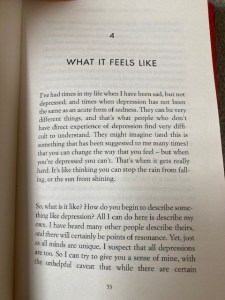


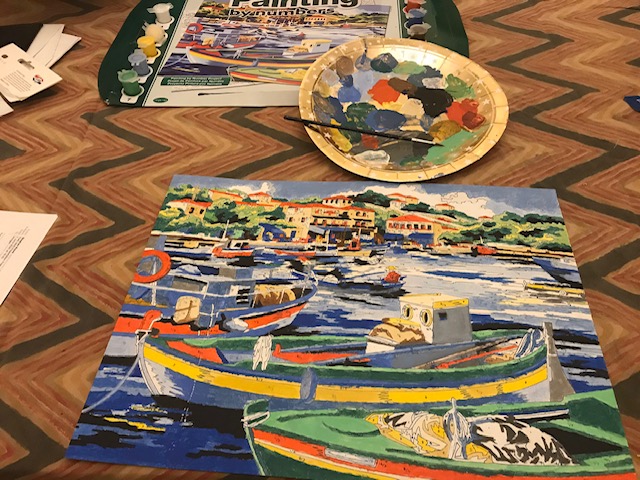
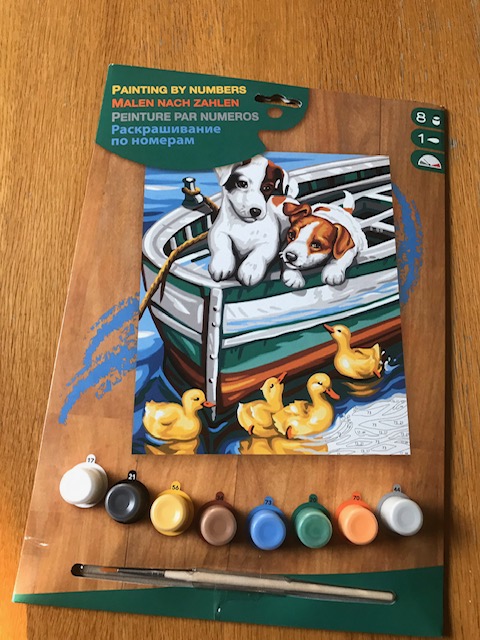


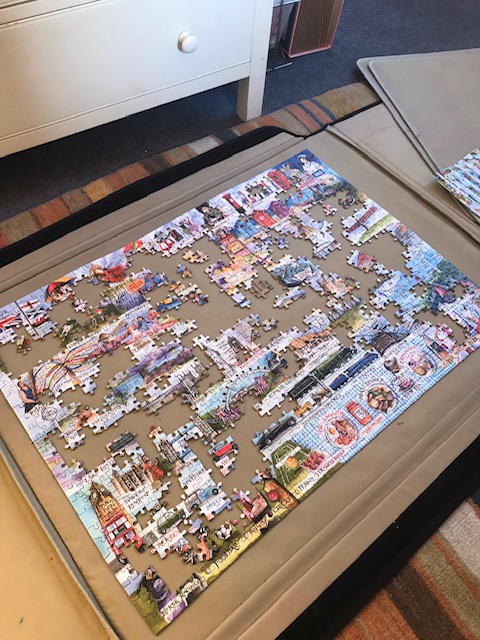



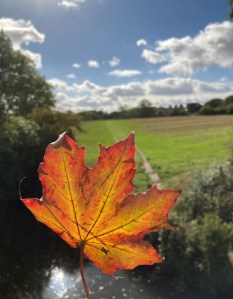
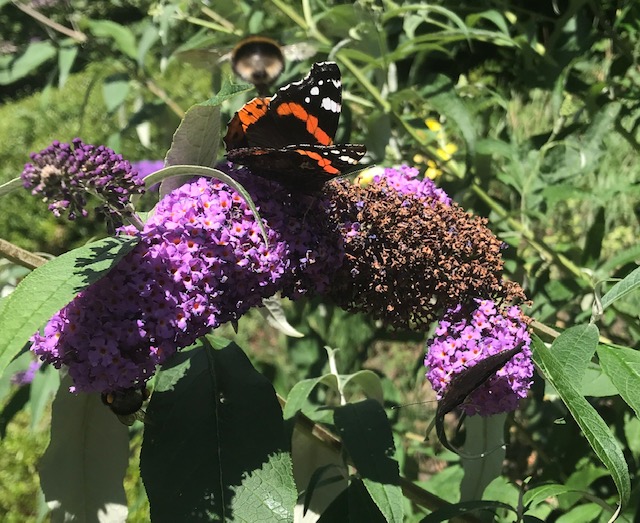


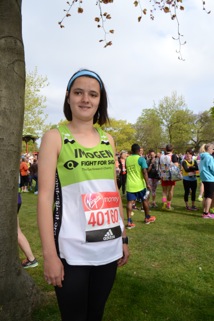


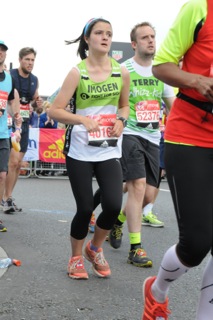
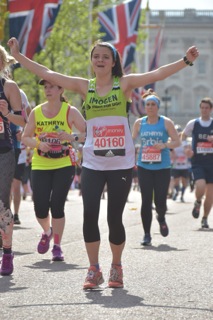



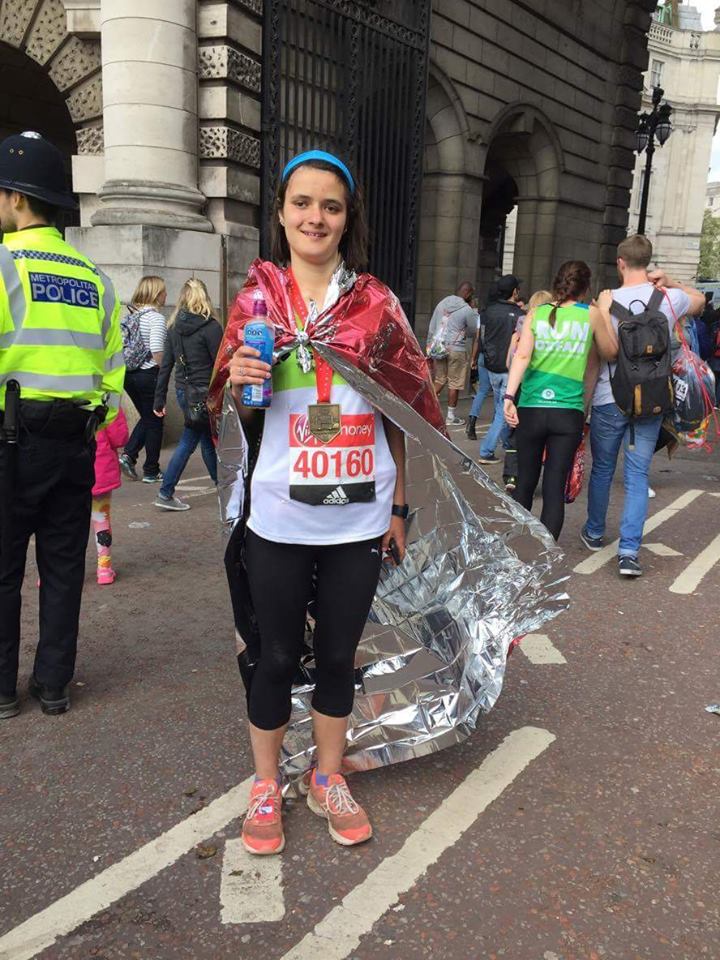
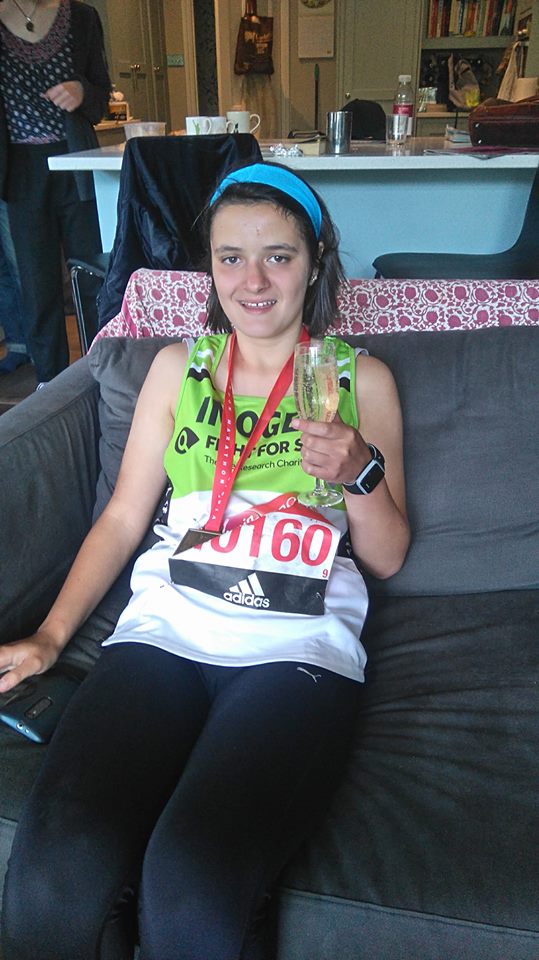



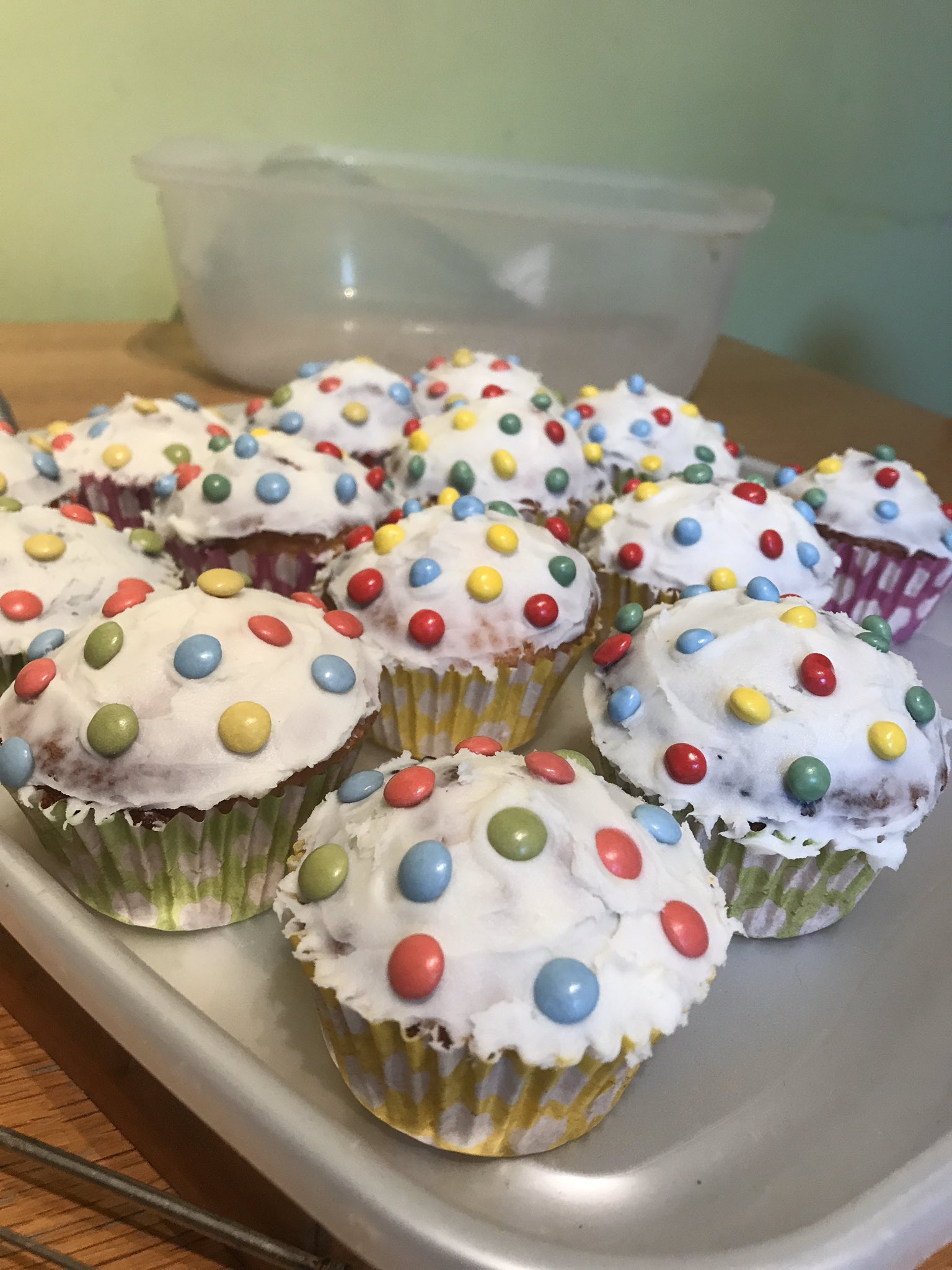
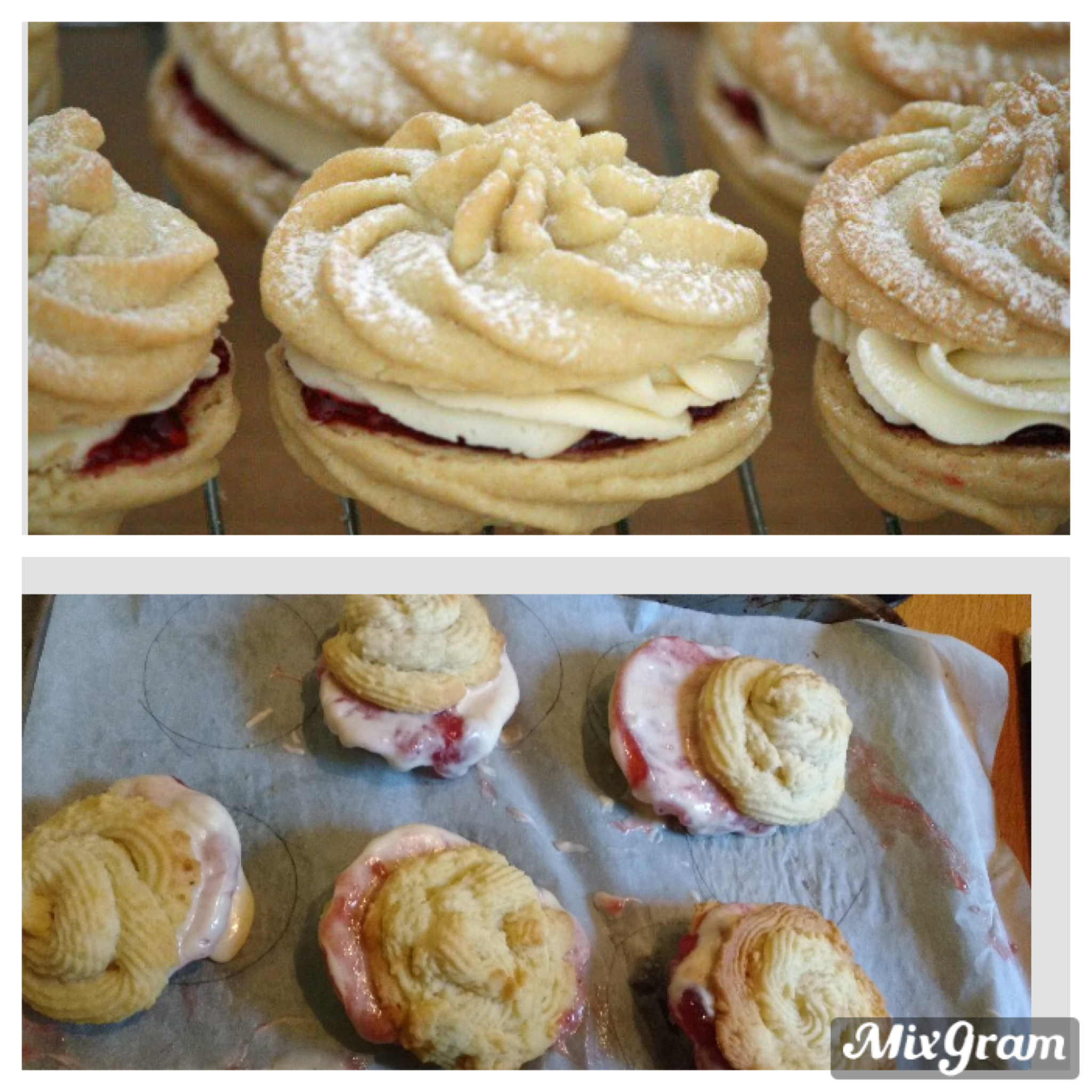


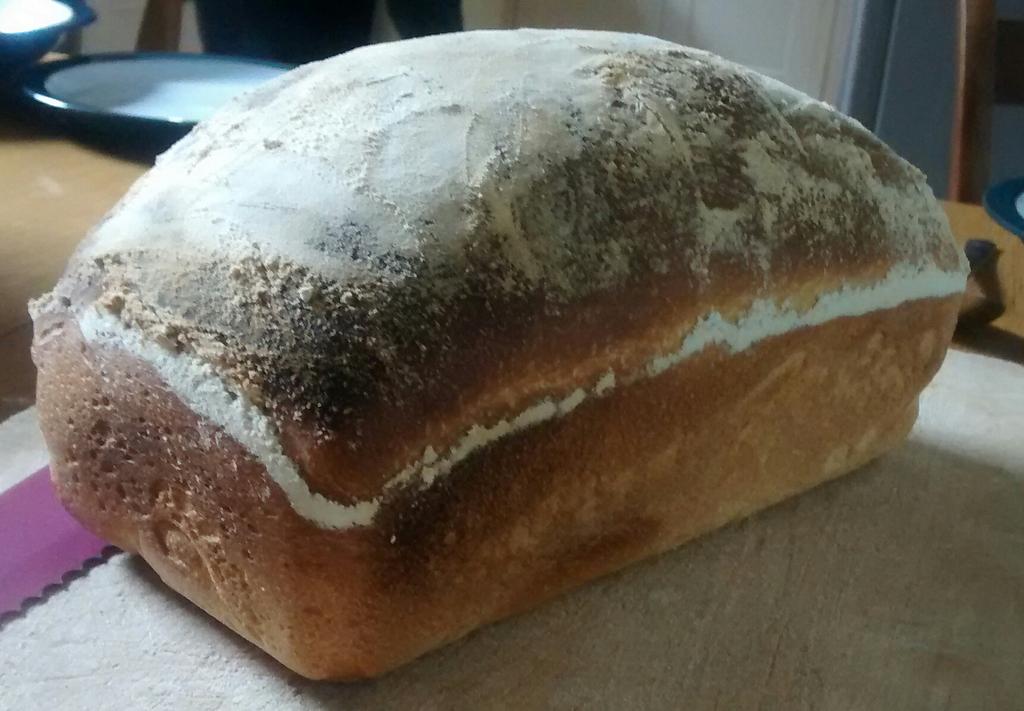
 Imogen’s blog