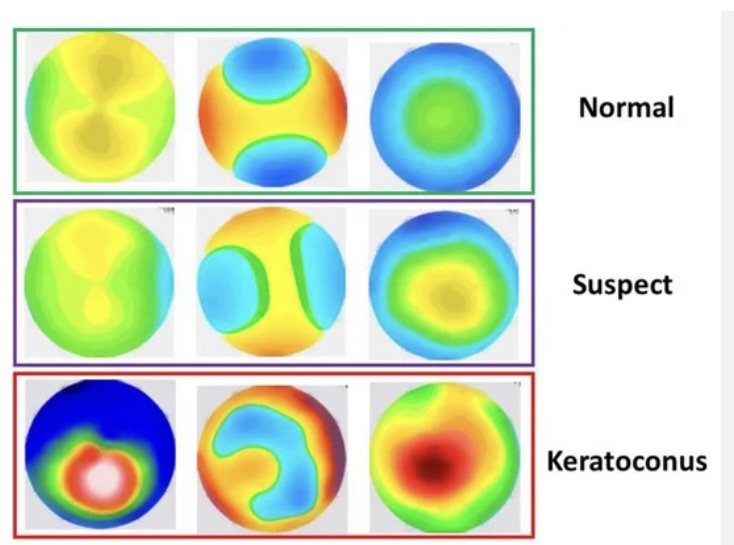
Keratoconus is an eye disease in which the cornea starts to become an irregular cone-like shape. This means that it can no longer accurately focus light onto the retina at the back of the eye and when this happens, the vision is distorted and blurred.
Diagnosed aged 15 a few months before my GCSEs, a decade on and it hasn’t got any easier to live with every day. Five key areas the condition affects in my day to day life are social situations, work, travelling, meaningful activities and emotions. By no means are these areas exhaustive, but I hope it provides some insight into coping with this often disabling and debilitating condition.

Social impacts
Alongside the practical impacts a visual impairment has, it also has a profound social impact on my daily life. Due to my right eye not seeing any level of functional vision without the aid of a lens, it often fails to work together with my left eye. This results in a drifting eye, which causes me a lot of anxiety and self-consciousness within social situations. Part of my lack of confidence socially is undoubtedly because of my eyes not working together, and I’ve tended to seek to avoid eye contact when I’m not wearing my lenses solely because of this. This can feel completely soul destroying when you’re always wanting to be sociable. Facial expressions are often difficult to see clearly, particularly from across a room. It is very hard to distinguish facial features without squinting, making it nearly impossible to read people and their emotions adequately. Decreased visual acuity can restrict the ability to choose appropriate initiations and interactions. Additionally, the ability to process and act upon other verbal information can be impacted. Having a visual handicap can also lead to some potentially challenging social situations, such as inability to recognise someone familiar when out on the street.
Glaucoma, macular degeneration and cataracts are all examples of widely known eye conditions. The fact that keratoconus is more rare and unfamiliar amongst the general population makes it very difficult to explain to others, causing another barrier to being adequately understood. Hardly anyone can truly comprehend the level of disability I face partly because they haven’t heard of it. Perceptions and pre-conceived connotations also exist surrounding being partially sighted, of having a white cane and/or guide dog. When you present as a high functioning person with a driving licence who can get on with tasks fairly normally, it remains unnoticeable and perhaps underestimated. Particularly when my eyes look completely healthy like the average person’s, my daily struggles are undetected by everyone around me.

Additionally, keratoconus starts in adolescence or early adulthood whereas the other diseases are associated with onset at an older age. We tend to assume that sight loss is a common symptom of getting older, rather than beginning in adolescence. Misunderstandings, perhaps because of this, are all too common; well meaning people remarking ‘can’t you just wear glasses?’, for instance, or assuming I just have a mild case of shortsightedness when I have mentioned I have a problem with my vision. If only!
A digital age
Direct correlations exist between the level of vision someone has and productivity and efficiency at work. Vision difficulties at a computer can extend necessary work time, cause increased mistakes and result in more breaks required to lessen discomfort from eye strain.
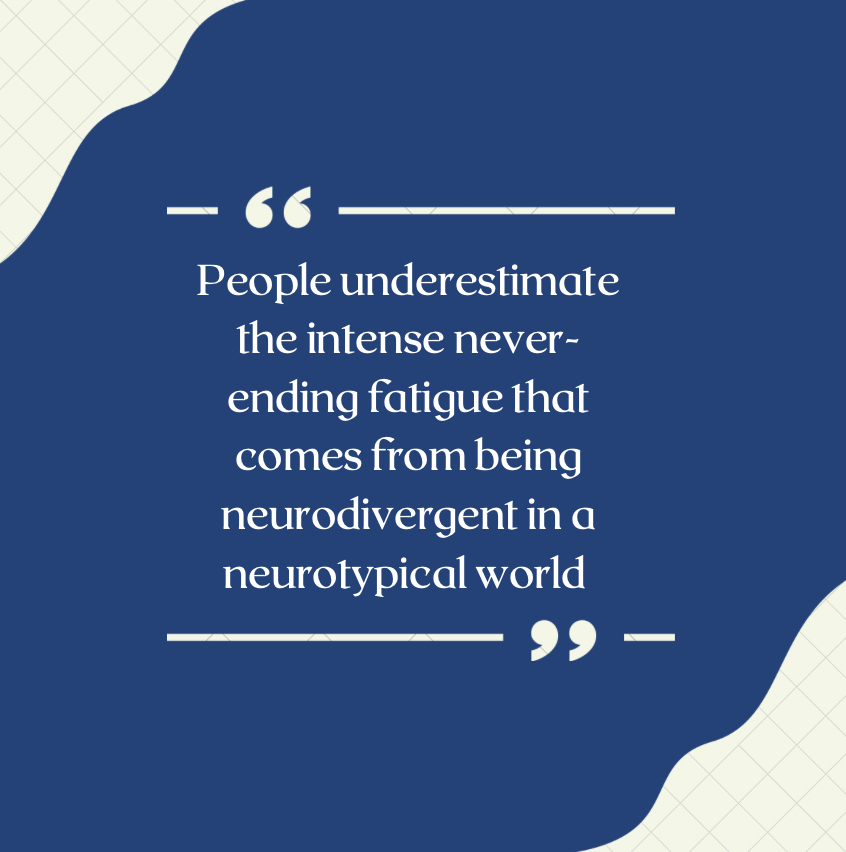
Since COVID-19, we have all relied on technology a lot more to connect with people; friends and family particularly during the era of lockdowns, as well as work colleagues, which has many advantages. Working on the computer has become the societal norm, which, albeit it coming with hosts of benefits, poses a host of obstacles for people with visual impairments. Opportunities also arise, with the option of hybrid work becoming all the more common. Unfortunately, being a temporary employee means that I don’t have access to hybrid work yet. Long term, this way of working is a strong preference. Not only would it give my eyes a break and not cause so much strain every day, it would also aid my executive functioning and reduce the fatigue that comes with the five day a week daily commute, especially with being neurodivergent and thus being more susceptible to overwhelm and burnout.
Driving
Just as the days were getting shorter and colder, I joined the HMCTS Coventry court team in December. Driving is a very pleasurable activity for me, especially when I listen to my favourite music. But I see a range of starbursts and distorted lights, and the headlights from other cars produce a significant amount of glare because of the increased sensitivity to light that I experience.

Regardless of ensuring I’m always safe to drive in the dark with vision correction, I am still nervous and hesitant to do so unless absolutely necessary, due to the reduced visibility on the roads. With a decreased ability to recognise road signs up close and at a distance, anticipate manoeuvres and and react to other road users quickly, I’m incredibly lucky and grateful that I have one eye that meets the standard to drive with the aid of a lens.
In the workplace
Uncorrected vision can decrease employee performance by as much as 20%, with poorer job security and salary unequal to efforts and achievement.
Taking up a full-time Admin Officer position perhaps isn’t the most ideal position for someone with visual and chronic dry eye difficulties. Especially since this wasn’t the situation I was expecting myself to be in this year, I have found the transition to working five days a week difficult. Full-time work is tiring for everyone, but I have to face and consider another level of difficulty. Education was also more challenging for similar reasons, although I had a lot more flexibility as a student so working on the computer seemed a lot more manageable, as it was for short bursts at a time. My laptop is permanently dimmer to reduce eye strain – an example of one of the little adjustments I have done to help myself at home!
Heating has proved a major problem for me in the office. Obviously, it is important to keep warm but it has always really aggravated my eyes (same with air conditioning.) Staring at a screen all day in a dry, humid environment causes me significant ocular discomfort. When working on a computer, you unconsciously widen your eyes, which results in a greater surface area for the tears to evaporate. Blinking is also done less often as you focus on the screen. Considering that my eyes also don’t close properly due to the conical shape of the corneas, it is perhaps not surprising that my eyes cause such a problem with pain. In my era of admin work, my Eyebag has never been used so consistently! (A reusable warm eye compress that provides temporary relief from dry eyes.)
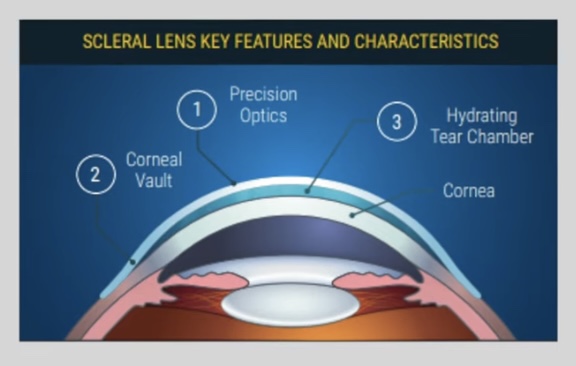
Scleral lenses are meant to moisten and help dry eyes, as they are filled with saline solution. They do initially provide this relief, before reverting to becoming foggy, dry and uncomfortable after a few hours in the office. When this happens, they become intolerable and I need to take them out for a bit to give my eyes a break. The problem is, I cannot see anything on the screen without them, without really having to squint. It is nearly impossible to fulfil my role properly in this scenario, as my right eye distortion is very pronounced and significant without the aid of the scleral lenses. Thus, I am stuck in a paradoxical and complicated situation of sometimes being unable to wear lenses and subsequently having to squint and struggling to see anything clearly, or my lenses being increasingly uncomfortable, trapping me in a seemingly never ending problem. I often have to remove and reapply them during the working day, which takes a bit of time and disrupts my workflow. Self-consciousness also strikes me when I have to get up and quietly go to do this in the disabled toilet, the only private space suitable enough to do it. Not all disabilities are visible and I have a right to a discrete place to regain and maximise my comfort, but it still makes me feel awkward. Probably, though, my colleagues are too busy with what they’re doing to notice me quickly disappearing and reappearing with my bag!

Travelling
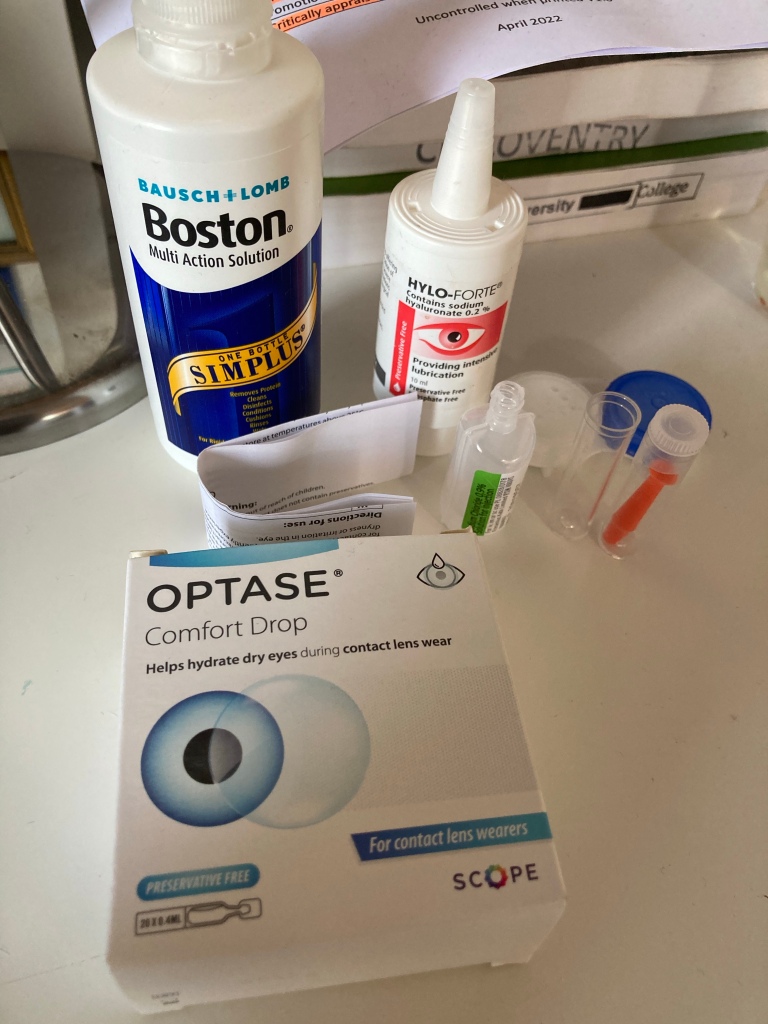
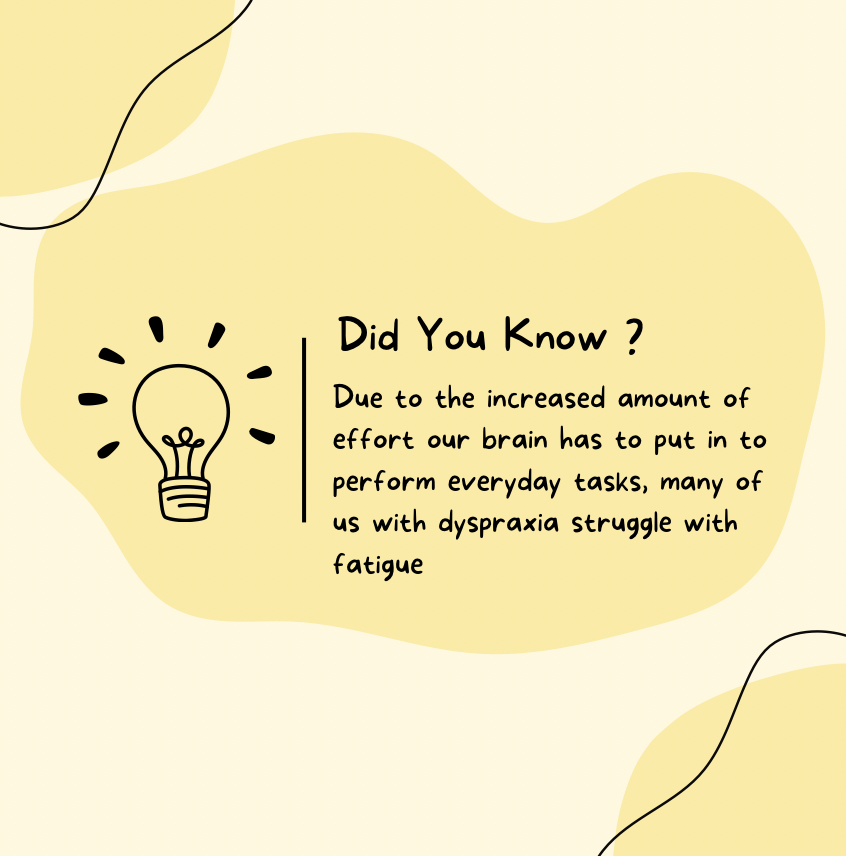
Obviously, having a visual impairment makes travelling a lot more complicated. On a day to day basis, there are a lot of additional things I need to remember to carry with me at all times; contact lens case, two different solutions, lens inserter/plunger, lens stand, eye drops. As someone with dyspraxia, my short term memory can be poor. To overcome this, I often have to check and physically go through my bag several times before I’m content enough to leave the house. Even then, I can forget something I need for my eyes; on more than one occasion, I’ve forgotten my homemade stand I use to put my lenses in, and I can’t insert them without it, meaning I have to struggle without them for the rest of the day! The impact of trying to compensate for my dodgy short term memory on my general executive functioning is exhausting.
When going abroad, at airports the liquid restrictions are in place. With my other toiletries together with my eye things, I can’t fit it all in one small plastic bag. Additionally, the air pressure means it is unadvisable to wear lenses on a flight anyway. Not to mention the fact lenses in hot weather don’t really work for me! Cumulatively, all of these factors have meant I have so far gone abroad without them. Luckily, I am in a privileged position where I can manage without them for a few days, but it still makes it a lot more difficult to get around. The thought of travelling abroad alone excites me, and this is something I am very enthusiastic to do more of. One of the things that has discouraged me from solo travel before is my visual impairment. Being without contact lenses has left me unable to see landmarks clearly, but more importantly departure boards, road signs and platform information. Clearly, when someone else with a good level of vision is with me, that doesn’t matter – but I don’t want to always have to rely on someone else to read signs, displays and information for me, even when travelling with them!

Meaningful activities
Most of the time, I am still able to enjoy the activities that matter to me despite my eye problem, but I often have to make adjustments to get the most out of them.
One of the best things for me in my life, both for my physical and mental wellbeing, is running. My weekly running club on a Wednesday evening is one of the absolute highlights of my week – even when I don’t feel like going and I have to drag myself out the door, and even when I find it difficult during the run itself, I come back buzzing on a real runner’s high! It also means I am more physically tired and able to relax for the rest of the evening. Through the winter months, running in the dark is no doubt a hazard for everyone. Consideration is required even more so in alleyways and unlit roads, so using a light is advisable which I have just started to make use of. While running, I am hesitant to use my lenses because of the possibility of getting sweat or dust in my eyes, which could potentially cause an eye infection, so I generally don’t wear them while running with the club. This means the dark pavements are even more dangerous for me, as I can’t see where I’m putting my feet as clearly. I am sometimes slightly apprehensive due to the possibility of injuring myself by failing to see a hazard below or in front of me.

Another enjoyable activity is immersing myself in nature. It is the mindfulness in my life; the calm amongst the chaos in my mind. Nothing soothes my soul more than walking through the woods on a sunny day, walking round a lake, a canal or through open fields and listening to the natural sounds around me. Even better in the spring when the daffodils or bluebells are out! Frequently, I miss the chance of seeing wildlife because of my sight. You need decent long distance vision to spot the quick flash of blue from a kingfisher along a riverbank, for example; I have seen a kingfisher a few times before, but only when someone has pointed it out to me and showed me where to look (zooming in on their phone so I can have a glimpse!) Luckily, I have had some amazing encounters with wildlife up close that I’ve seen, although it frustrates me when I miss something because of my vision.

Watching TV and reading can also pose a major problem. After a long day of needing lenses to function at work, my eyes often feel dry and tired in the evening, so I don’t always want to go through the fiddly process yet again when I want to relax. Instead, I often resort to watching TV programmes and films on my laptop or phone which I can move right up close to my face, rather than my TV which is further away, so I don’t have to really squint to be able to see. Notably, the TV in my room doesn’t tend to get switched on unless I have to watch something live, which requires my lenses. It feels like a shame!
Emotional impact
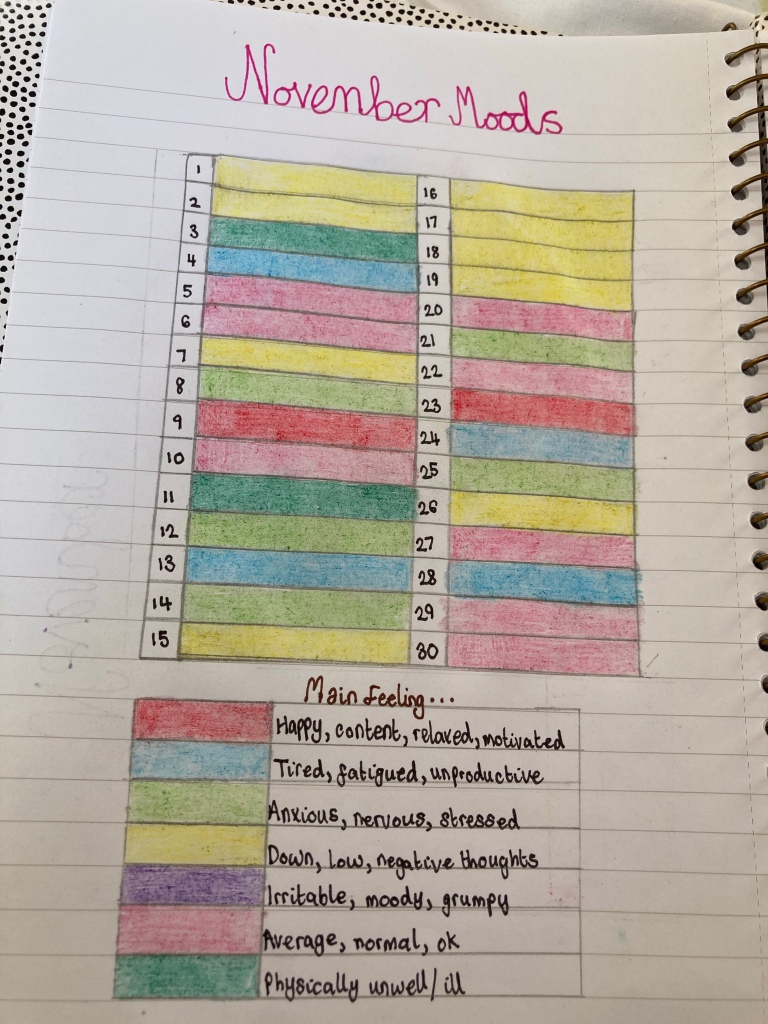
Rates of psychiatric morbidity in keratoconus patients compared to the overall population are documented to be staggering, due to the cascade of problems associated with keratoconus.
Living with a long term health condition, disability or impairment has an enormous psychosocial impact. It is tough – there is no disputing that. Some days are stormy when all I can notice is my visual impairment and I mourn for the good vision I had before my diagnosis in 2013. Missing a couple of crucial weeks of school just before my GCSEs commenced as I recovered from CXL might have affected my results; it is hard to quantify or know for sure how much it impacted my GCSE studies and examination results, but it was certainly traumatic to have to go through aged 15, at a crucial stage in my life. Looking back at my rapidly deteriorating sight loss as a teenager, it was scary for me partly because I didn’t understand the nature of the condition then.

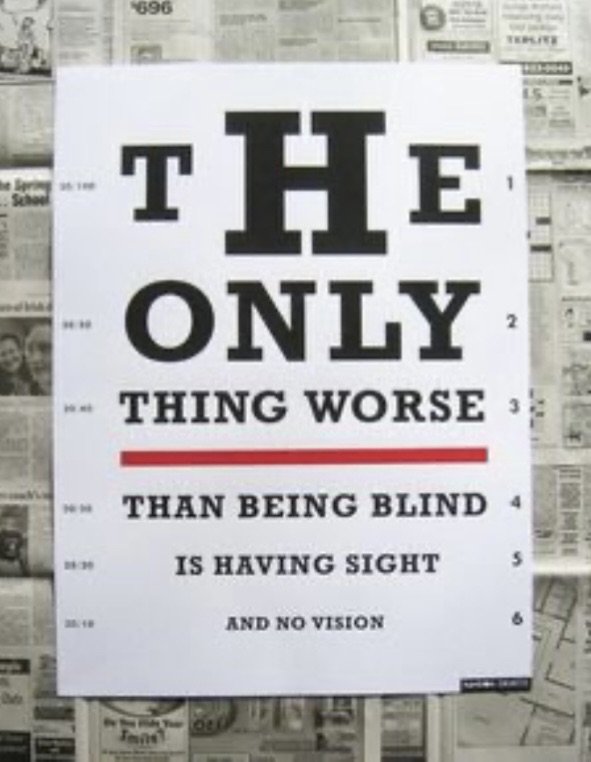
Unusually, I had actually heard the term ‘keratoconus’ before, and it was mentioned to me as a possibility a few years before I was officially diagnosed, due to my dad having the same condition. Fortunately for him though, his case is mild and he has always been able to stick to wearing glasses. Prior to getting diagnosed and when it was briefly mentioned to me in passing, by an optician who, upon noticing my lazy eye, clocked that there was a history of the disease in my family, I wrongly assumed that, if it was the case I had a named condition, it would just mean wearing glasses most of the time like my dad, a minor inconvenience that I could easily manage like him. If only that were the case! Imagine my shock when I first discovered I couldn’t read the top letter of the eye chart, realising my right eye was completely distorted and learning that it was a progressive disease!
Grief isn’t always just about missing a person – you can grieve for anything you have lost, and normal vision is something I definitely often grieve for and yearn to have back, often reminiscing and attempting to remember what it is like to have no visual defects.
In certain situations I seem to notice my impairment more than other circumstances. For example, because of silently struggling with sore eyes, distorted vision and lenses daily at work, it has been more noticeable in this situation recently as opposed to when I’m relaxed, engaging in something I enjoy doing at home.
My right eye is still moderately distorted even with the lens due to how advanced it is, while my left eye can be corrected to 20/20. Together, they provide me with a functional level of sight. Whilst I’m grateful for this, hard medical contact lenses are a real hassle and a fiddle to put in, as well as being time consuming. These lenses are filled to the brim with solution until they are almost overflowing. If the tiniest drop spills while inserting, it produces a bubble in the lens which means you have to take it out, repeat all the disinfecting/cleaning process and reinsert it again. If the lens goes in the wrong place, it can cause discomfort and pain. The mere fact of being reliant on these often uncomfortable lenses to provide a level of functional vision is hard and can be draining.

Conversely, there are days where I don’t notice it so often. Despite always having to think about it and deal with the condition, I don’t let it spoil my day. Especially when I’m busy doing things that make me feel good, I can almost forget about the daily battle. I need to cling on to these days and remember that they are more frequent than the hard days where it all feels overwhelming.
Interestingly, a recent research study comparison with other ocular diseases revealed worse emotional wellbeing scores among individuals with keratoconus compared with patients with age-related macular degeneration, diabetic macular edema and retinal vein occlusion, despite better average visual acuity noted among patients with keratoconus. This is because it strikes early in life, on young people who are considerably active and in their primary income-earning years, thus affecting the trajectory of life to a greater degree. Inevitably, this affects quality of life and explains increased anxiety and reactivity to stressful situations.
Anxiety and uncertainty about the future
Keratoconus is progressive, meaning it can continue to worsen. Although it is not a blinding disease, it can lead to legal blindness in severe cases. As aforementioned, just before my GCSEs I had a relatively new procedure with the aim of halting the progression. A decade on, corneal collagen cross linking (CXL) has successfully stabilised the disease, meaning it is very unlikely it will progress any further.
Early detection is critical to preserve vision and long-term quality of life. While cross-liking might not improve visual acuity, it stabilises the condition and gives hope of avoiding further progression and a future transplant. Despite getting repeated reassurance at hospital appointments, I still agonise over the fact it is a deteriorating disease, mainly in young people. I think there will always be that seed of doubt and worry in my mind due to the progressive nature of it, at least until I get to the age where it is known to stabilise.
Will I always be able to drive and retain my licence for as long as possible? This question often hangs over me. Initially, my vision presented a barrier to learning to drive; I know the pain of being unable to because of how poor my vision is without lenses, and now I know how much I love the independence and freedom of having my own car, not having to rely on unreliable public transport. Quality of life is known to be reduced for individuals with keratoconus. For a substantial plurality this declines further over time as new challenges emerge, particularly when getting older.
People who wear contact lenses are more susceptible to eye infections. It makes sense, and I constantly do everything I can to minimise my risk by following the advice meticulously, which means the process of inserting and removing them takes a bit of time. Sometimes, however, they are unavoidable no matter how careful you are. Horror stories certainly exist on the internet, and I’ve read a fair few involving contact lens wearers!
Having a rare disease makes the research scant compared with other visual conditions, meaning less chance of revolutionary treatments – this is why eye research charities are so important.
Clinging onto hope for some groundbreaking treatment/cure during my lifetime. In the meantime, I am thankful for the eye care professionals, my family and friends who are helping me while living with this disabling condition. Shoutout to my fellow KC sufferers. We are all warriors!


















 Imogen’s blog